5 choses à savoir sur l'IA en 2026 pour les professionnels de la construction
Intégrez Revizto à votre flux de travail
Selon le rapport 2026 Bridging the Gap, 90 % des entreprises AEC se heurtent à un mur lorsqu'il s'agit de tirer une réelle valeur de l'intelligence artificielle — malgré le fait qu'il s'agisse de l'un des sujets les plus discutés sur tous les marchés et dans tous les secteurs de l'industrie. Dans un épisode de Bridging the Gap: The Conversation — Bilan de la réalité 2026, Ian Besford, Responsable mondial de la livraison numérique chez Mott MacDonald, a partagé son point de vue sur les domaines où l'IA est réellement utile, où elle est insuffisante, et ce que l'industrie doit faire différemment pour combler cet écart.
1. Le problème de temps n'est pas vraiment une question de temps
Demandez à n'importe qui dans le secteur de la construction pourquoi son équipe n'a pas pleinement adopté les outils d'IA et la réponse est presque toujours la même : nous n'avons pas le temps. Le temps d'apprendre les outils, le temps d'expérimenter, le temps de déterminer où ils apportent réellement de la valeur sur un projet en cours.
Ian Besford a une interprétation différente de cette réponse.
« Nous savons tous que nous travaillons dans un monde où la pression est toujours là pour livrer. Les gens privilégient donc la livraison à l'apprentissage de nouvelles façons de faire. C'est très similaire à l'histoire du bûcheron trop occupé à abattre des arbres dans la forêt pour prendre le temps d'aiguiser sa hache. »
Ian Besford, Responsable mondial de la livraison numérique, Mott MacDonald
Le bûcheron continue d'abattre des arbres parce que s'arrêter donne l'impression de prendre du retard. Mais la hache s'émousse à chaque arbre, et le travail devient plus difficile. La même dynamique se reproduit quotidiennement au sein des équipes de construction. La pression de livrer le projet en cours fait que l'apprentissage de nouvelles méthodes de travail semble un luxe, même lorsque ces nouvelles méthodes rendraient chaque projet ultérieur plus rapide.
Les entreprises qui réalisent de réels progrès avec l'IA ne sont pas celles qui ont soudainement trouvé plus d'heures dans la journée. Ce sont celles qui ont pris la décision délibérée de considérer l'apprentissage comme faisant partie de la livraison, et non comme une pause.
2. La valeur de l'IA réside dans le remplacement, pas dans l'ajout
La raison pour laquelle la plupart des projets pilotes d'IA stagnent est la même que celle pour laquelle la plupart des projets pilotes de technologies de construction stagnent. L'outil est ajouté en plus d'un flux de travail existant plutôt que de remplacer une partie de celui-ci. Les équipes utilisent l'outil d'IA parce que quelqu'un leur a demandé de le faire, continuent de faire tout le reste comme elles l'ont toujours fait, et concluent après quelques semaines que l'IA ne leur a pas fait gagner de temps.
Cela ne leur a pas fait gagner de temps parce que rien n'a été supprimé. L'ajout ne crée jamais d'efficacité. La substitution, elle, le fait.
« Le véritable enjeu est de savoir comment l'IA peut vous aider en remplaçant des éléments de votre travail plutôt qu'en s'y ajoutant comme une tâche supplémentaire à accomplir. »
Ian Besford, Responsable mondial de la livraison numérique, Mott MacDonald
Les équipes de construction qui tirent une réelle valeur de l'IA actuellement l'utilisent pour éliminer des tâches spécifiques et chronophages. Résumer les comptes rendus de réunion. Produire les premières ébauches de documents. Rechercher dans de grands volumes d'informations de projet. Recherche et analyse de données. Ce ne sont pas des cas d'utilisation glamour, mais ils sont concrets — des tâches qui prenaient auparavant des heures et qui ne prennent plus que des minutes, libérant le temps que le bûcheron n'a jamais eu.
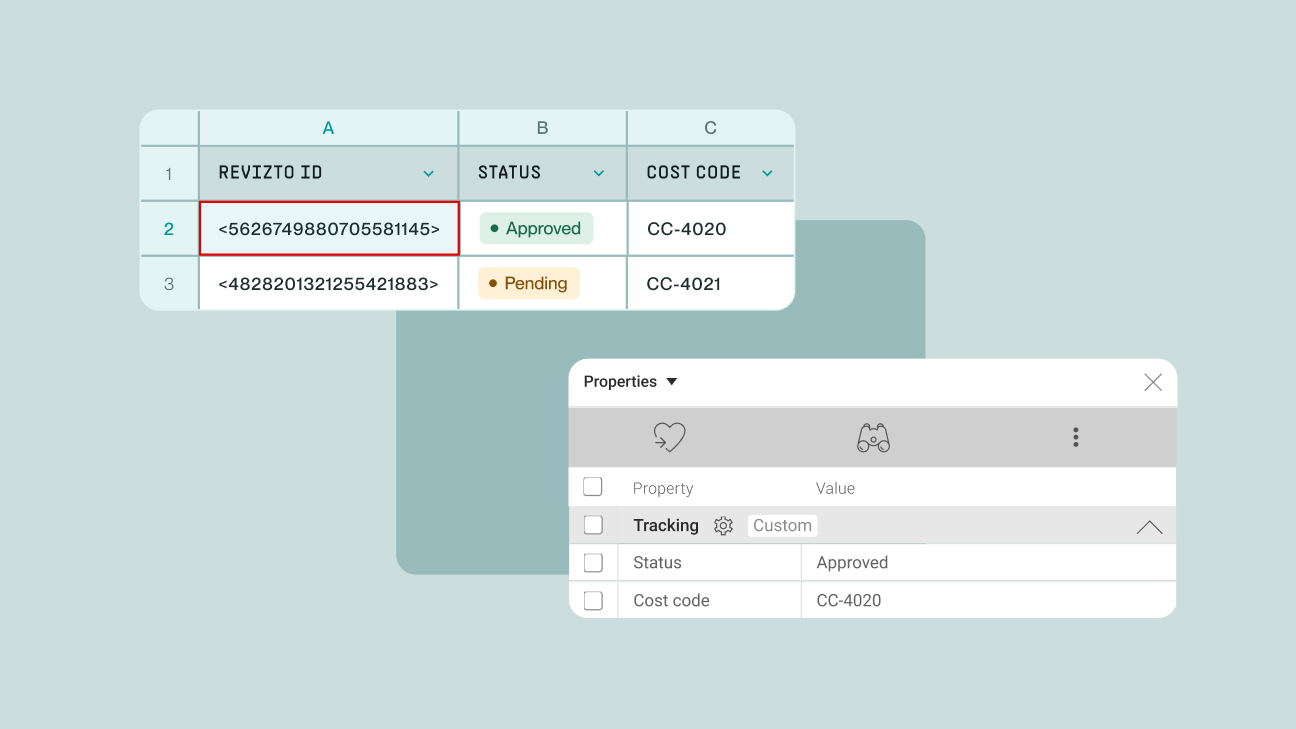
Le même principe s'applique plus largement à l'automatisation. Connecter les plateformes que votre équipe utilise déjà afin que les données circulent automatiquement — plutôt que d'être extraites, reformatées et ressaisies manuellement — supprime une catégorie de travail que personne ne remarque avant qu'elle ne disparaisse. Les intégrations et les capacités API de Revizto fonctionnent exactement sur cette base, en connectant les données de coordination à l'environnement de projet plus large et en éliminant la surcharge manuelle qui existe entre les systèmes.
3. ChatGPT n'est pas le plafond
Pour la plupart des professionnels de la construction, le modèle mental de ce que l'IA peut faire s'est forgé quelque part entre leur première conversation avec ChatGPT et leur expérience la plus récente avec Copilot. C'est un point de départ raisonnable, mais c'est une vision considérablement limitée de la direction que prend la technologie.
« On peut faire des choses aujourd'hui qu'on n'aurait même pas pu imaginer il y a 18 mois. La plupart des gens ont utilisé ChatGPT ou Copilot au cours de la dernière année environ, et c'est un peu leur vision de ce que l'IA peut faire. »
Ian Besford, Responsable mondial de la livraison numérique, Mott MacDonald
Le fossé entre les attentes de la plupart des gens concernant l'IA et la réalité de la technologie — sans parler de sa direction future — est considérable. Dans l'ingénierie logicielle, des outils d'IA sur mesure rendent déjà les développeurs deux à trois fois plus productifs qu'auparavant. Ce niveau de gain de productivité n'a pas encore atteint le secteur de l'ingénierie et de la construction, mais selon Ian, cela ne saurait tarder.
Les entreprises qui seront les mieux positionnées à son arrivée sont celles qui ont expérimenté la génération actuelle d'outils, en développant les habitudes et les flux de travail qui absorberont la prochaine vague de capacités plutôt que de se démener pour la rattraper.
Pour l'instant, l'opportunité pratique est claire : utiliser l'IA pour la recherche, l'analyse de données, la rédaction de documents et la récupération d'informations. Familiarisez-vous avec ce qu'elle peut faire aujourd'hui et restez curieux de ce qu'elle pourra faire ensuite.
4. La responsabilité humaine ne peut pas être externalisée à l'IA
L'une des questions les plus importantes issues du Combler le fossé : La conversation — Bilan de la réalité 2026 webinaire est venue du public : lorsque vous connectez l'IA au BIM, à qui incombe la responsabilité de distinguer les bonnes données des mauvaises ?
La réponse d'Ian :
« En ce qui concerne l'utilisation de l'IA, tout ce que nous faisons doit toujours être validé en fin de compte par un être humain, et il doit y avoir une personne responsable. Cela ne peut pas se produire simplement dans une boîte noire où l'on ne voit rien de ce qui se passe, on ne voit que le résultat. Il faut comprendre ce qu'elle fait et ce que fait le processus. »
Ian Besford, Responsable mondial de la livraison numérique, Mott MacDonald
C'est particulièrement important dans la construction, où le résultat des décisions de conception et de coordination est construit. Si cela tourne mal, des personnes peuvent être blessées. La responsabilité ne peut pas disparaître dans un algorithme. Elle doit incomber à une personne qui comprend ce que l'IA a fait, pourquoi elle l'a fait et si le résultat peut être fiable.
L'implication pratique est que l'IA dans les flux de travail de la construction doit être mise en œuvre avec la même logique d'assurance qualité appliquée à toute autre donnée d'entrée de conception. Vous ne confieriez pas la conception structurelle la plus complexe à un jeune diplômé sans expérience et sans supervision. Le même principe s'applique aux résultats générés par l'IA. L'examen humain n'est pas facultatif.
5. La curiosité est le véritable avantage concurrentiel
Les entreprises qui tireront le meilleur parti de l'IA au cours des cinq prochaines années ne sont pas nécessairement celles qui disposent des plus gros budgets technologiques ou des implémentations actuelles les plus sophistiquées. Ce sont celles qui ont bâti une culture de la curiosité — où les gens sont à l'aise de ne pas savoir comment ils feront les choses ensuite et veulent sincèrement le découvrir.
« Peut-être que le véritable enjeu est de savoir comment encourager les gens à être curieux, et à être à l'aise de ne pas savoir comment ils vont faire les choses ensuite, et à vouloir apprendre à le faire différemment. Pour moi, c'est vraiment sur cette curiosité que nous devons concentrer nos efforts. »
Ian Besford, Responsable mondial de la livraison numérique, Mott MacDonald
Cette curiosité est difficile à imposer et impossible à acheter. Elle naît d'un environnement où l'expérimentation est encouragée, où l'apprentissage tiré d'un projet pilote raté est autant valorisé qu'un projet réussi, et où les personnes les plus proches du travail sont autorisées à essayer de nouvelles approches plutôt que d'être contraintes de suivre les méthodes habituelles.
Pour les entreprises de construction qui réfléchissent à leur stratégie en matière d'IA, l'investissement le plus important pourrait ne pas résider dans un outil ou une plateforme spécifique. Il pourrait plutôt consister à créer les conditions permettant à leurs collaborateurs de s'engager sincèrement avec l'IA, de trouver les cas d'usage pertinents dans leur contexte spécifique, et de développer les habitudes qui se transformeront en compétences au fil du temps.
La technologie évolue rapidement. Les entreprises qui restent curieuses suivront le rythme. Celles qui attendent la certitude avant de s'engager se retrouveront exactement là où elles ont toujours été — trop occupées à abattre des arbres pour aiguiser leur hache.