
How Mars Snacking caught 200 design issues in a single 60-minute VR review
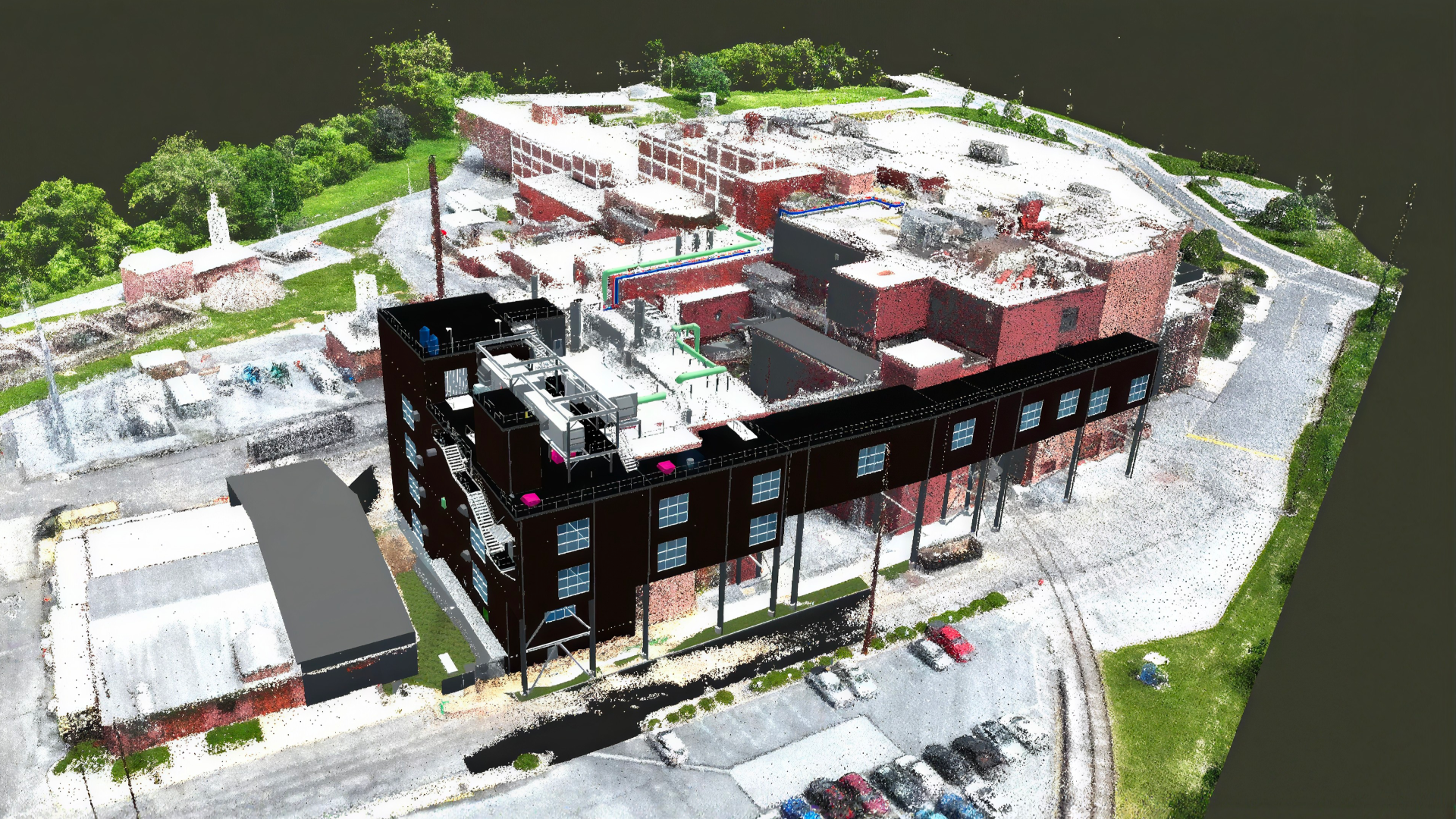
Project overview
Mars Snacking is a division of Mars, Incorporated, a privately held global food company founded in 1911. It operates approximately 135 manufacturing facilities worldwide, including about 28 in North America, producing brands such as Snickers, M&M's, Milky Way, Cheez-Its, Pop-Tarts, and Pringles. All North American production facilities operate under USDA and FDA regulatory oversight.
When design mistakes cost more than money
Mars Snacking produces some of the world's most recognized food brands across a network of approximately 28 North American manufacturing facilities, each running around the clock under USDA and FDA oversight. These are not standard build-and-hand-over construction projects. They are long-term operational assets that Mars builds, maintains, expands, and refurbishes over decades.
When senior engineers Steve Klein and Aaron Lepley joined the North American capital projects team, the stakes were clear. A design mistake in a manufacturing facility does not just cost money at the time of construction. It costs production time, creates safety risk, and generates operational friction for years. The team was responsible for executing hundreds of millions of dollars in capital projects — yet daily tools were clipboards, printed drawing sets, and, on a good day, an out-of-date Navisworks model.
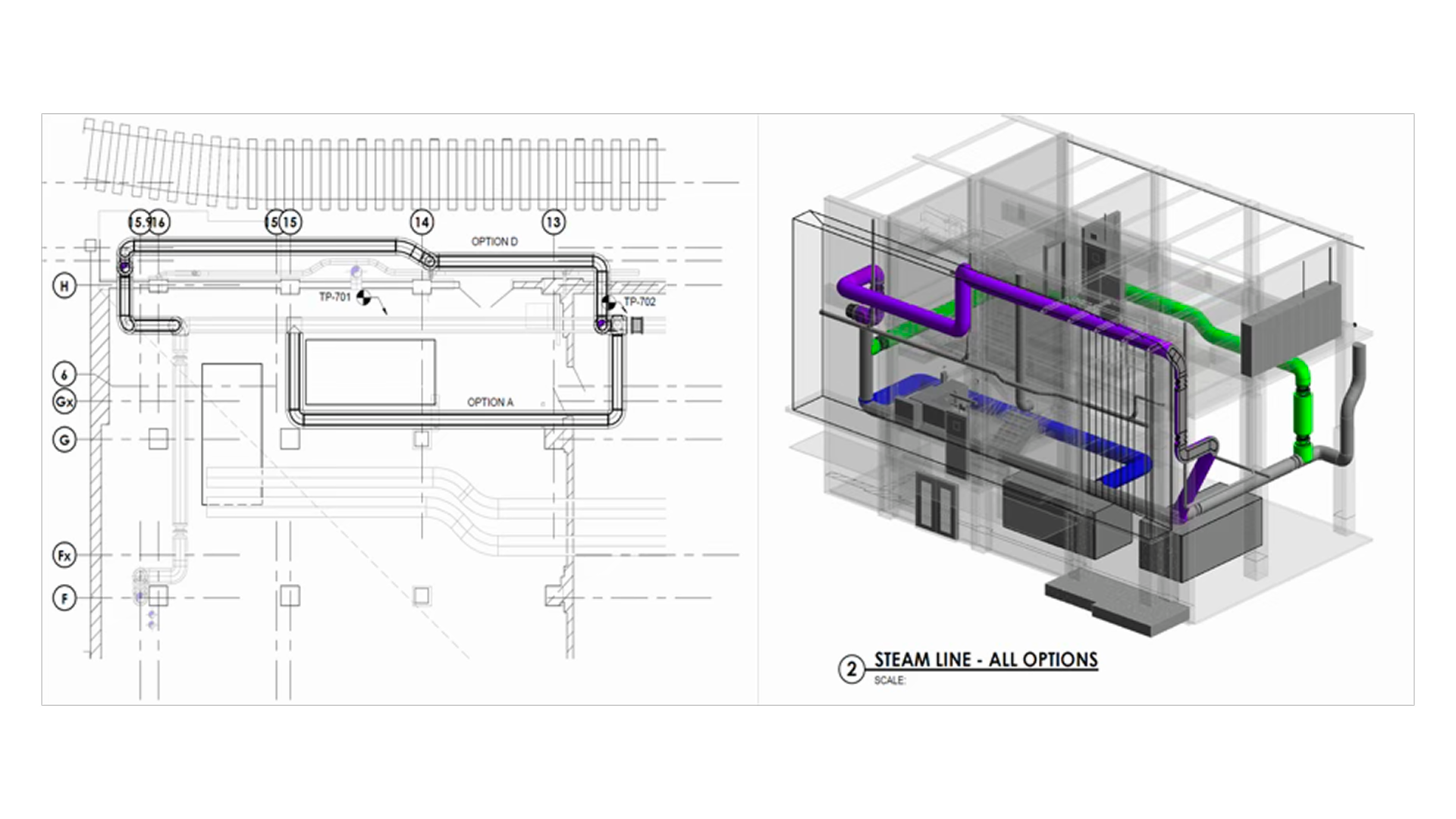
The problem crystallized on an early project: planning the reroute of a 12-inch steam line through a complex, seven-floor mechanical room that had undergone multiple expansions and renovations. Walking the plant with paper drawings, the team struggled to answer fundamental questions such as where the line would run, what it might clash with, and whether the reroute was even feasible. The answers were often based on assumptions rather than certainty. They were not solving a steam line problem; they were solving a visibility problem.
How Revizto replaced guesswork with a shared model
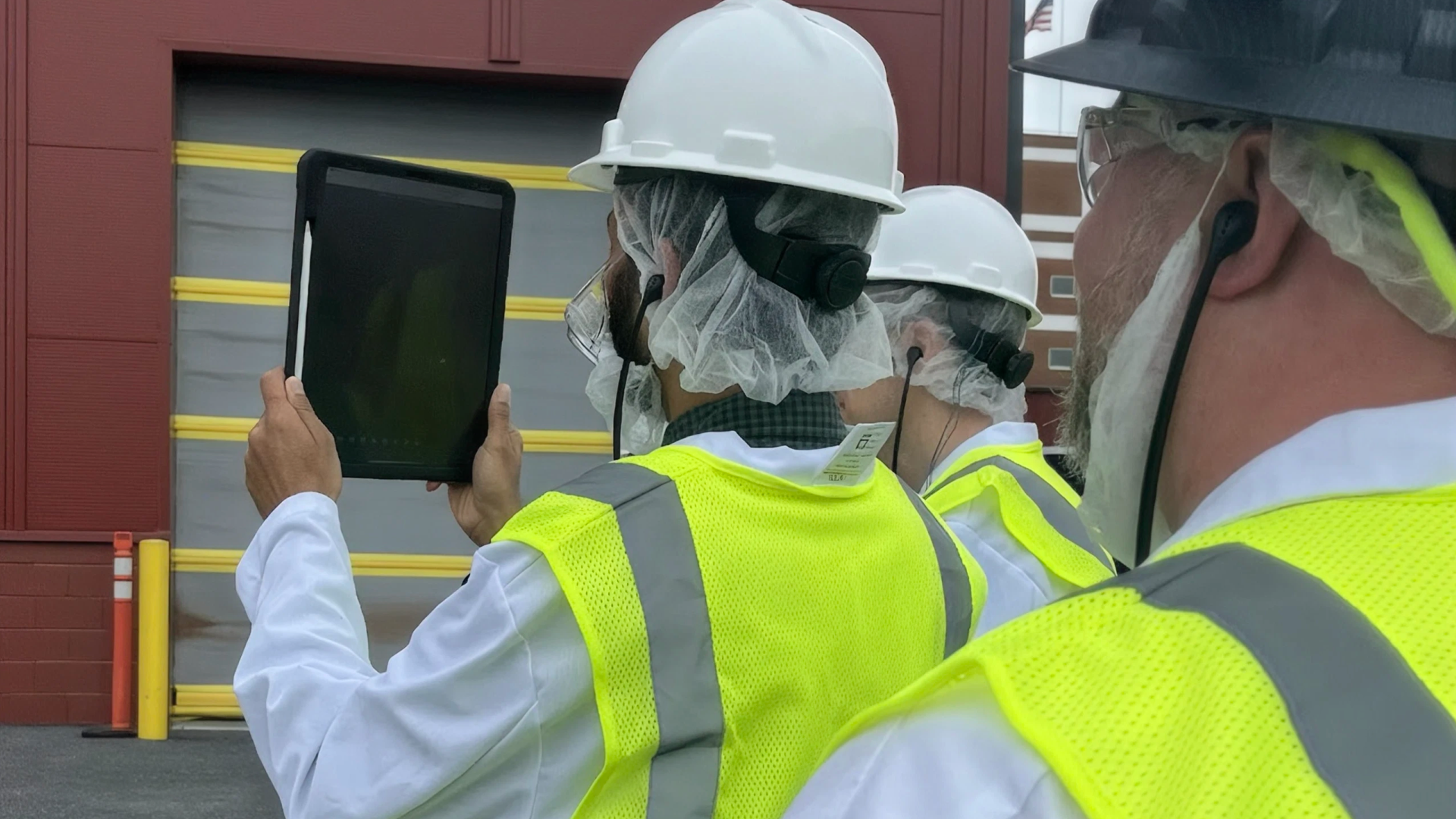
The shift began with a Meta Quest 2 headset found in the bottom drawer of an abandoned office desk. On it was a Revizto license. Klein and Lepley loaded a model and, for the first time, stood inside the design rather than interpreting it from a flat drawing. The building's steel clashes were visible. The reroute options were clear. That single moment led them to the GBCA construction technology conference in Philadelphia, where they met the Revizto team and understood the full opportunity: if the entire project team could collaborate inside the same model, the distortion would disappear for everyone.
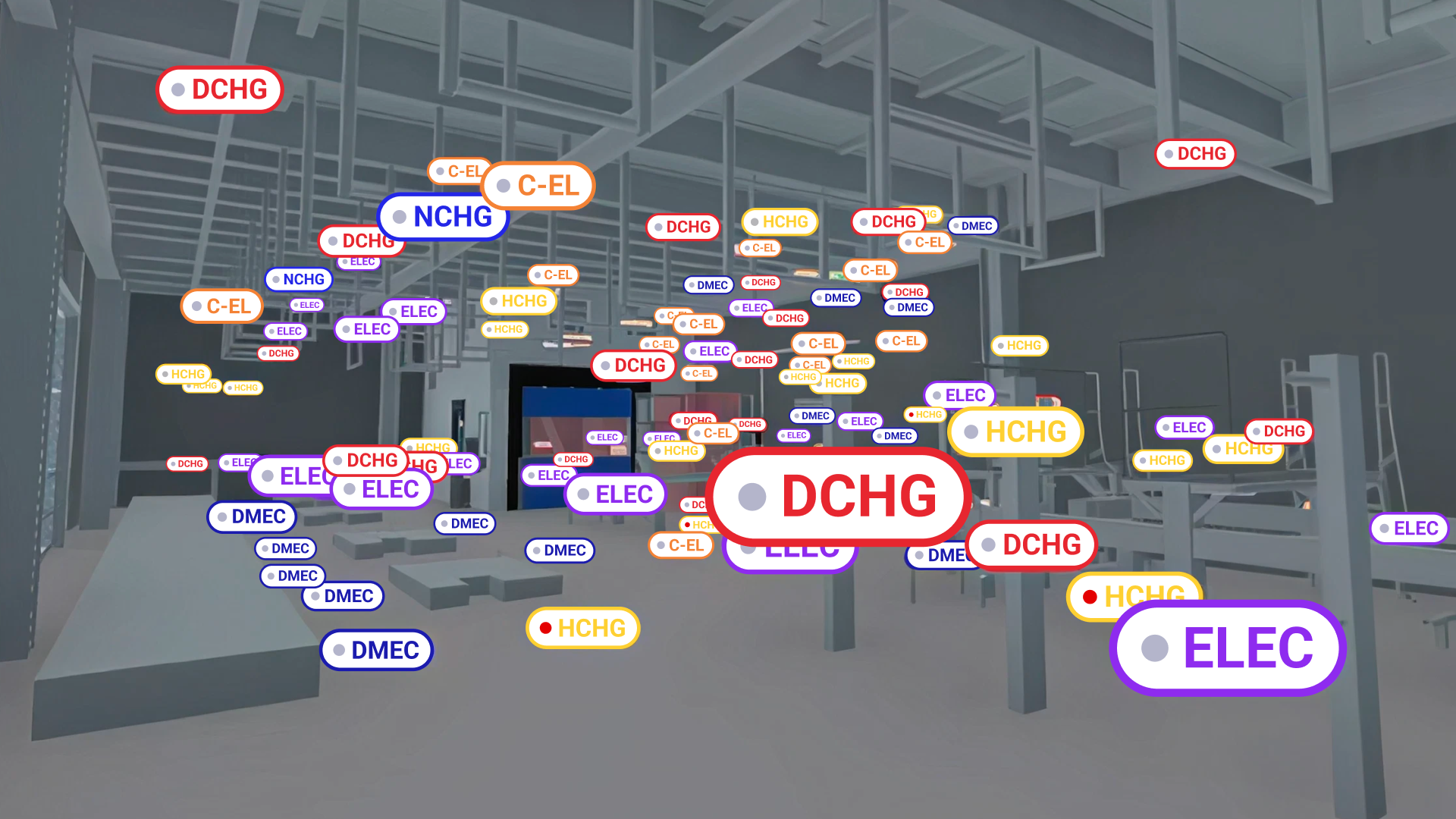
Revizto became what the team describes as their shared map — clear, accurate, and aligned. The results followed quickly. A 60-minute virtual reality design review surfaced 200 issues in a single session. Twenty engineers were onboarded onto the platform in two weeks. Operations and maintenance teams began influencing valve placement, equipment access, and safety decisions at the design stage. Project managers caught phasing and constructibility concerns before cranes arrived on site. Hundreds of coordination issues were identified, collaborated on, and closed before a single wall went up.
"If you show them a 3D model and they're able to experience it in a real-life environment using virtual reality, or even using Revizto to walk through, it absolutely changed everything for us on one of our projects."
Aaron Lepley, Senior Engineer, Mars Snacking North America
200 issues in 60 minutes: what VR design reviews made possible
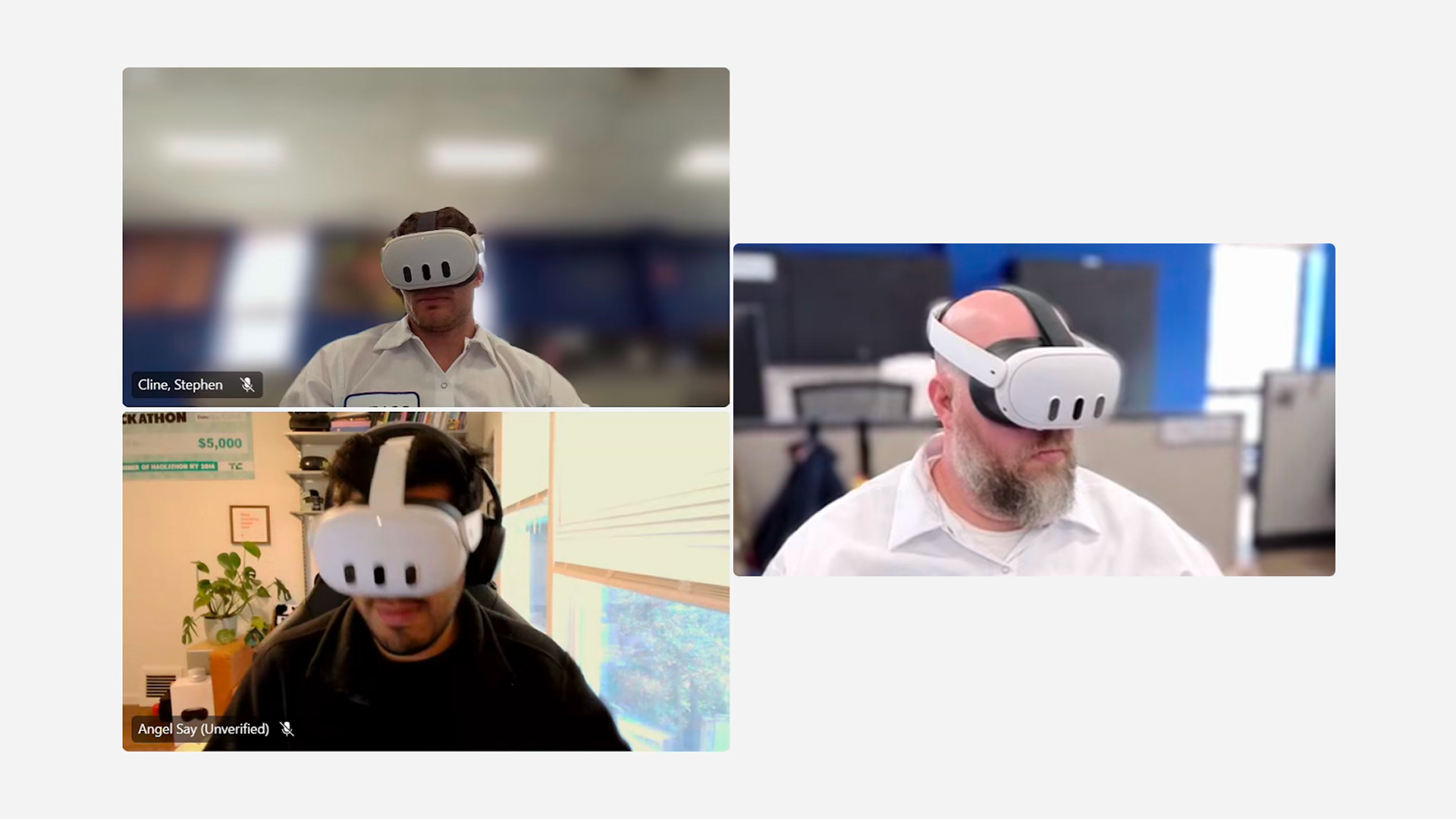
On one North American project, Klein and Lepley ran a virtual reality design review with 12 engineers in the room. Using AR, VR & QR Codes within Revizto, they identified 200 coordination issues in a single 60-minute session. Engineers who began as passive observers quickly became active participants — pointing out valve placements, questioning strainer basket access, and challenging design assumptions they had never been able to see in 2D. On a separate project in Henderson, Nevada, operators used the same VR workflow to review a solution that had already been agreed on in 2D — and rejected it. The equipment was repositioned before construction. Those operators work with that equipment every day.
"We are now starting to recoup the funds that we spent and the time that we spent as it gets recycled into the next project. It's been a very cool cycle to watch actually play out."
Steve Klein, Senior Engineer, Mars Snacking North America
Challenges and solutions
From project deliverable to long-term data foundation
For most construction teams, a coordinated model is something you produce and archive. For Mars Snacking, it is the start of something larger. By maintaining validated BIM, as-built scans, and scan-to-BIM data within Revizto, Mars has built a continuous data lifecycle. When a new capital project begins in an existing facility, current conditions are already documented and verified. Concept design accelerates. Clash detection starts from accurate existing-conditions data. Future expansions and refurbishments build on a foundation that already exists.
"Our product, the way we make it, is very proprietary. Protecting our process is number one. If we own the license, if we own the access to the license, if we own the data that's in it, we can take people off the license if we need to. We own it."
Aaron Lepley, Senior Engineer, Mars Snacking North America
By licensing Revizto at the enterprise level, Mars also removed its dependency on external partners to procure and manage coordination tools. Every project now runs on the same platform, the same standards, and the same workflows — building institutional consistency across a portfolio of 28 North American facilities intended to run for 50 to 100 years.
How Revizto Collaboration Hub enabled Mars Snacking
Unified 2D/3D Environment: Replaced disconnected PDFs and out-of-date Navisworks models with a single shared environment, giving engineers, operators, contractors, and leadership one live source of truth across every project.
AR, VR & QR Codes: Enabled immersive virtual reality design reviews that identified 200 coordination issues in a single 60-minute session, and allowed senior leadership to visualize future facility states with augmented reality before construction began.
Integrated Issue Management: Closed hundreds of coordination issues before groundbreaking, with operations and maintenance teams influencing valve placement, equipment access, and safety decisions at the design stage rather than after handover.
Connected Project Intelligence: Turned validated BIM into the foundation for a long-term data lifecycle, supporting facilities management roadmaps, future expansion planning, and predictive maintenance across a global manufacturing portfolio.
Best-In-Class Data Security & Sovereignty: Enabled Mars to own the license, the access, and all data generated across every project — ensuring proprietary manufacturing process information stays with Mars and not with external construction partners.