Reframing AI in construction: Applying the 4 D's to transform AECO workflows
See how Revizto fits your workflow
Adapting the 3 (or 4) R’s of robotics to AI
A framework, not a magic wand
AI is evolving at such a rate that it’s incredibly hard for AECO companies to strategize how they are going to blend it with their enterprise systems and design/construction operations. Advice is out of date as soon as it's published and something has already upended it.
To work through this era responsibly, leaders need an intuitive evaluation mindset rather than another shiny tool.
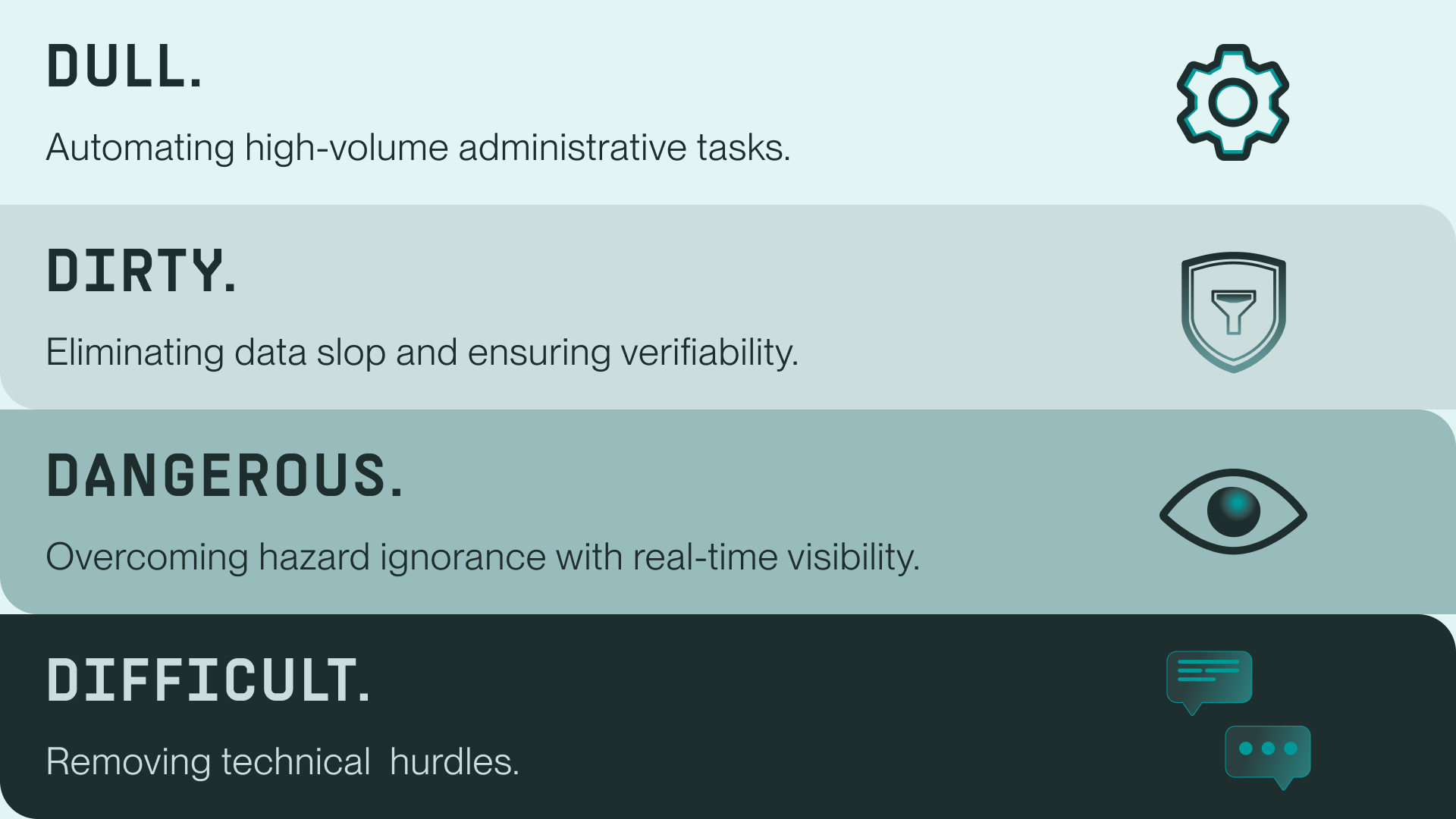
In robotics, physical automation has long been evaluated through three core criteria: tasks that are Dull, Dirty, or Dangerous. These lessons-learned (and adding a fourth dimension, Difficult) apply themselves nicely to artificial intelligence. This provides the AECO industry with an intuitive framework that can help navigate this emerging technology.
Why Reframing the 4 D's creates a future-proof mental model
Robotics originally targeted physical labor through three categories: Dull, Dirty, and Dangerous. Expanding this framework to include Difficult (human experience) creates an agile lens for evaluating AI applications in construction.
This framework serves as an adaptable reset button. Whether evaluating baseline Large Language Models (LLMs) today or fully agentic workflows 2 years down the road, the 4 D's keep the focus squarely on solving operational problems rather than chasing hype.
Dull: Automating high-volume administrative tasks
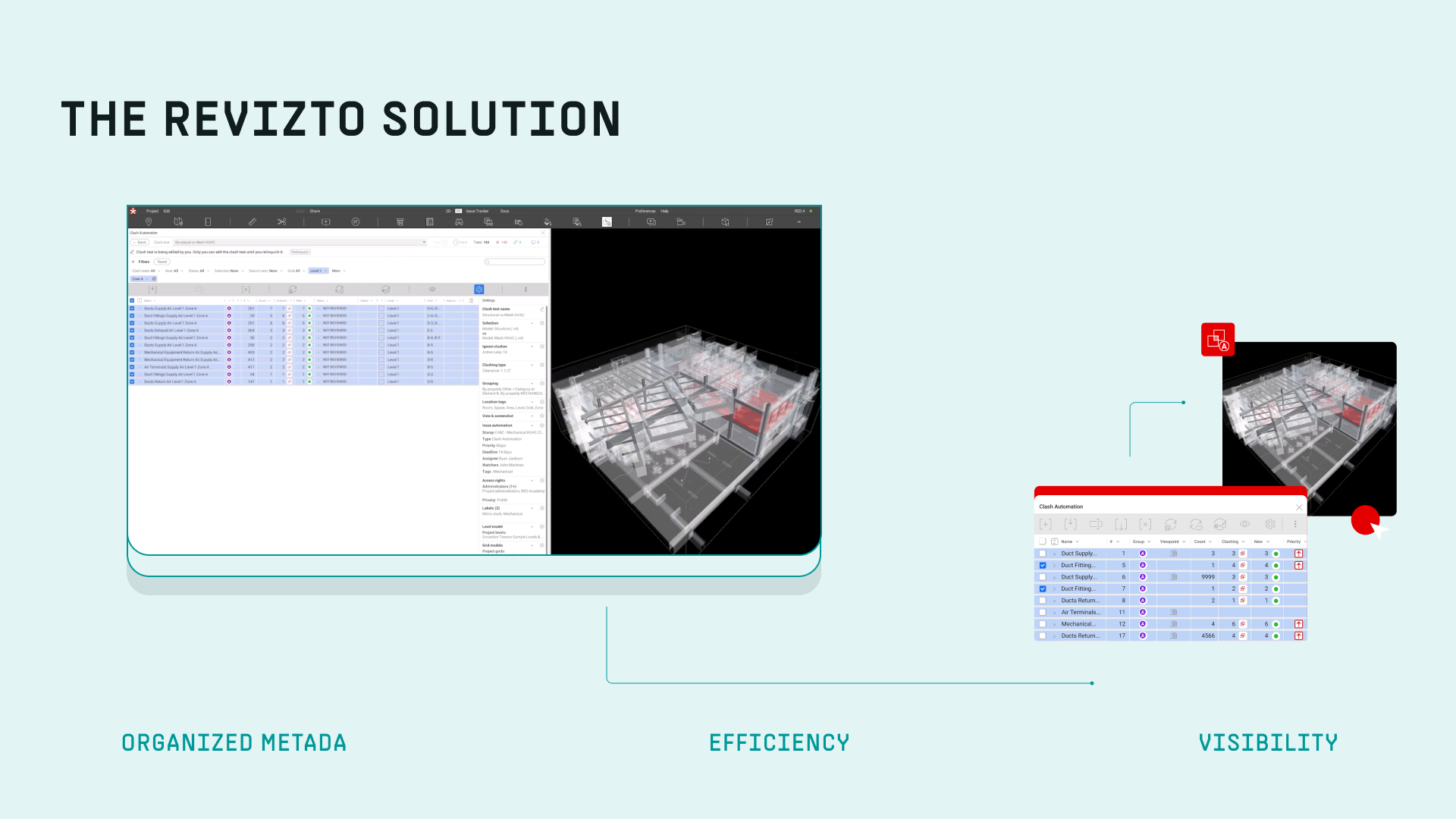
The operational problem
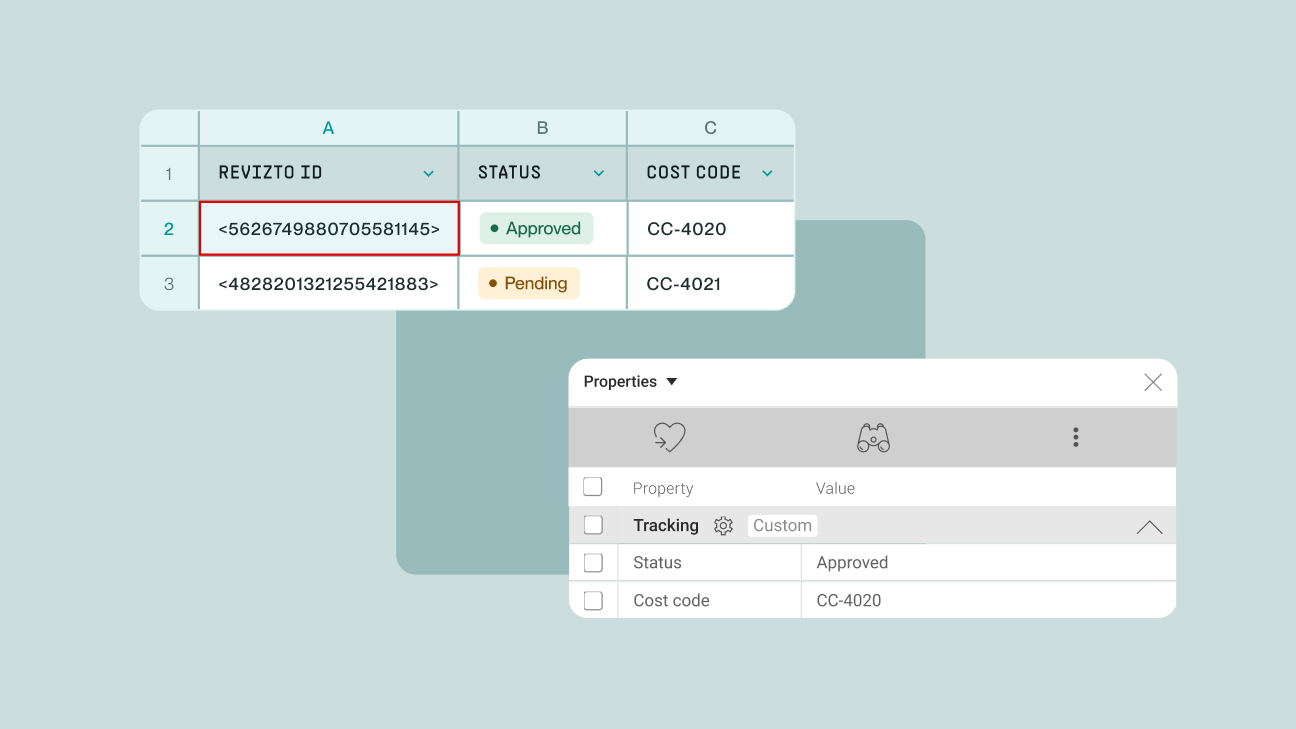
Trained VDC and BIM specialists waste hours performing repetitive, administrative tasks: updating spreadsheets, auditing model element properties, tracking real-time status reports, and managing manual task handoffs. VDC Managers are frequently forced to act as "human APIs," stopping critical coordination meetings just to extract data for project teams. High-value specialists should focus on applying specialized knowledge, communicating accurately, and reducing project risk—not managing static spreadsheets.
The Revizto solution
BIM and VDC managers are working behind the scenes standardizing Revizto Search Sets, Custom Properties, Appearance Templates, and Selection Inspector properties behind the scenes. This allows for a user-specific model experience to suit any process across the lifecycle of a project. Automated Issue Workflows handle assignees, deadlines, and status updates as items progress.
How the API and MCP server advance this effort
- Model and Object Properties API: Provides read-only, programmatic access to live model metadata. External systems can stream real-time property audits, material takeoffs, and milestone tracking without manual exports.
- MCP server: Enables non-technical users to query high-volume model data in plain English (e.g., "Which structural elements on Level 2 are missing completed installation dates?").
Because these processes are built on carefully structured VDC workflows, AI receives a reliable, structured foundation to query.
Expert insights
The BIM and VDC managers I work with are already fluent in the data workflows: search sets, custom properties, model standards. That fluency is the actual bottleneck AI can solve, not replace. Firms that let these managers lead early AI pilots get two wins: faster automation of the reporting grind, and a trusted internal voice validating outputs before they reach the field. Skip that step, and you're opening AI access to teams who have no way to judge whether what they're seeing is right.
Dr. Tummalapudi
Dirty: Eliminating "data slop" and ensuring verifiability

The operational problem
"Data slop", or messy, unverified, or siloed project data, is a primary bottleneck holding enterprise AI back. If an AI agent processes unverified or fragmented data, it supplies bad information, removes crucial safeguards, and triggers hallucinations. In construction, unverified data leads directly to multi-million dollar rework, schedule collapse, litigation, and in the worst-case scenario, harm/injury/death.
The Revizto solution
The Revizto environment reflects the exact design and construction documents approved by the project team. Every drawing, element property, building system, and material specification adheres to precise project standards. It is inherently human-centric and grounded in official project data.
How the API and MCP server advance this effort
- Sovereign by Design architecture: The MCP Server allows teams to point their own trusted AI models (such as Claude or GPT) directly at official Revizto project data.
- Zero data leakage: Sensitive project IP, model geometry, and contractual details remain inside the customer's secure regional environment, eliminating the risk of external AI models training on proprietary data.
- Developer portal: Utilizes standard OAuth 2.0 authentication to ensure every API connection maintains strict enterprise access controls and verified identity boundaries.
Expert insights
A 2026 industry survey of AEC leaders found something telling: roughly three-quarters of firms are now using AI, but fewer than a third say they actually trust the data behind it. That gap matches what I see in my own research: the AEC firms that succeed with AI aren't the ones with the best tool, they're the ones who did the unglamorous work first: standardizing and verifying their project data before connecting any AI to it. AI doesn't fix bad data, it amplifies it. Data governance is the actual AI strategy. The tool is just the easy part that comes after.
Dr. Tummalapudi
Dangerous: Overcoming hazard ignorance with real-time visibility
"Robotics tackles dangerous work. AI tackles dangerous ignorance."
The operational problem
Jobsite hazards involve both physical risk and clear communication problems. Workers entering high-risk areas without real-time awareness of active site hazards. OSHA mandates clear hazard communication, including visible warning signs, danger tape, and safety barriers. However, physical signage often becomes damaged, relocated, or obscured over time, leading to citations and injuries. Safety compliance cannot remain a static, weekly checklist.
The Revizto solution
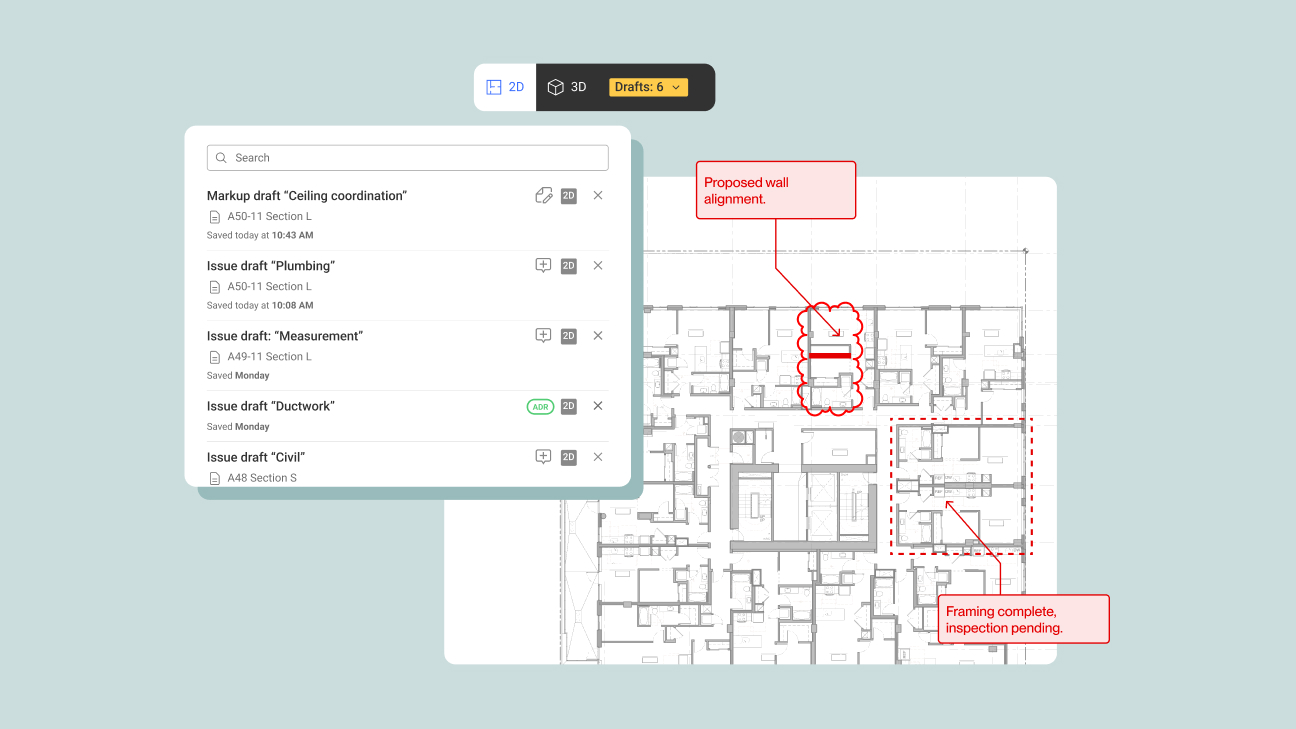
The Revizto Site App brings 3D models, 2D overlays, and safety issue logging directly to field teams on tablets and mobile devices. Safety checklists can be managed in Revizto Issue Tracker for a live look into any hot zones or danger areas.
Using Augmented Reality (AR) and 360-degree photos, field superintendents can view digital model data overlaid on physical jobsite spaces to verify clearance zones, fall protection boundaries, and temporary site setups.
How the API and MCP server advance this effort
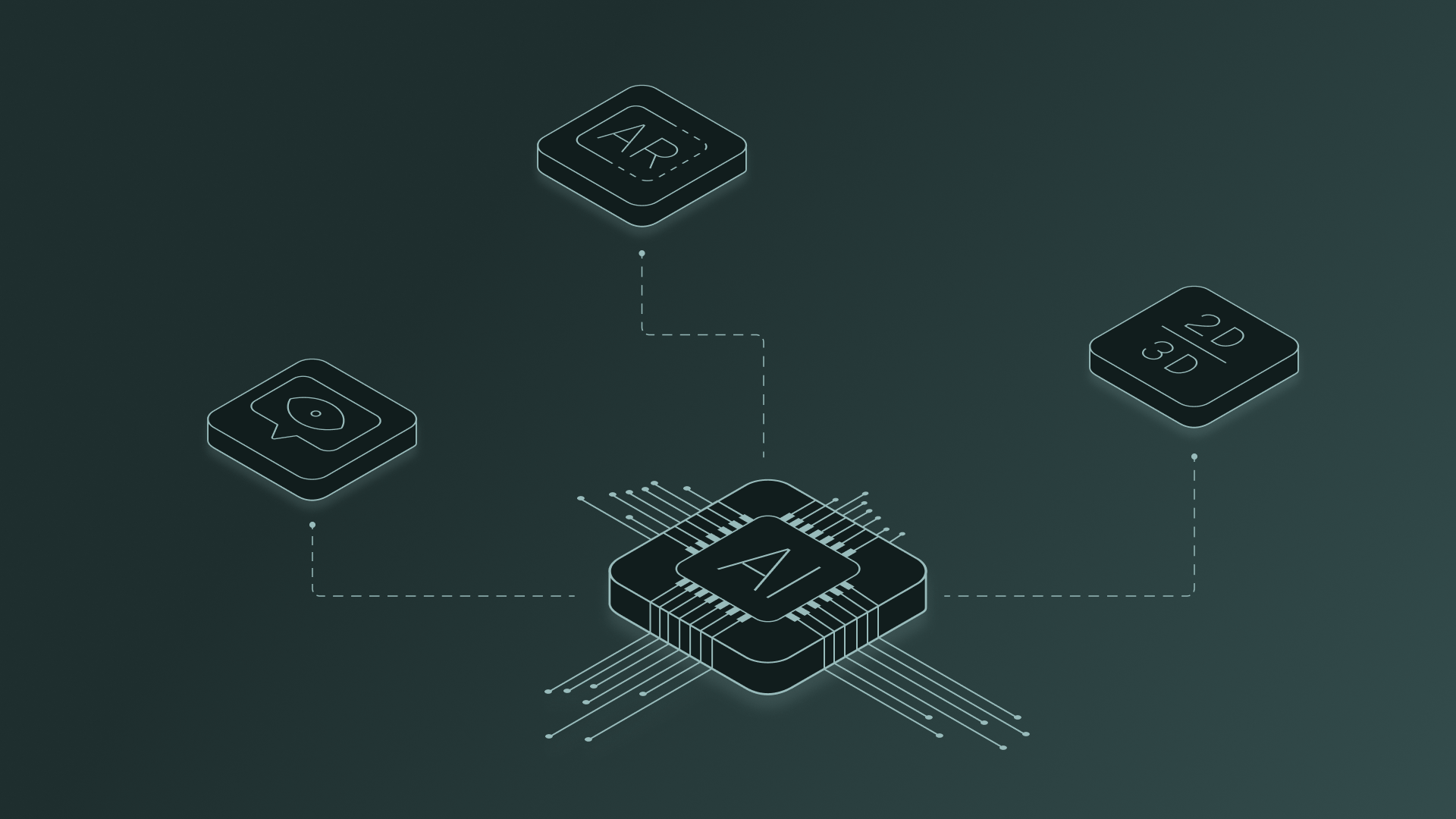
- Integrating visual AI detection: By utilizing visual AI detection models, prompt frameworks can automatically analyze jobsite photos to detect missing PPE or obscured OSHA safety signs.
- Real-time hazard alerts: Connecting visual AI detection tools to Revizto via the Model and Object Properties API allows missing hazard markers to automatically trigger high-priority issues tagged to precise spatial coordinates.
The bottom line: While robotics tackles physically dangerous tasks, AI tackles dangerous ignorance by ensuring workers maintain continuous, adaptive awareness of nearby site risks.
Difficult: Removing technical hurdles to enhance team members’ expertise
The operational problem
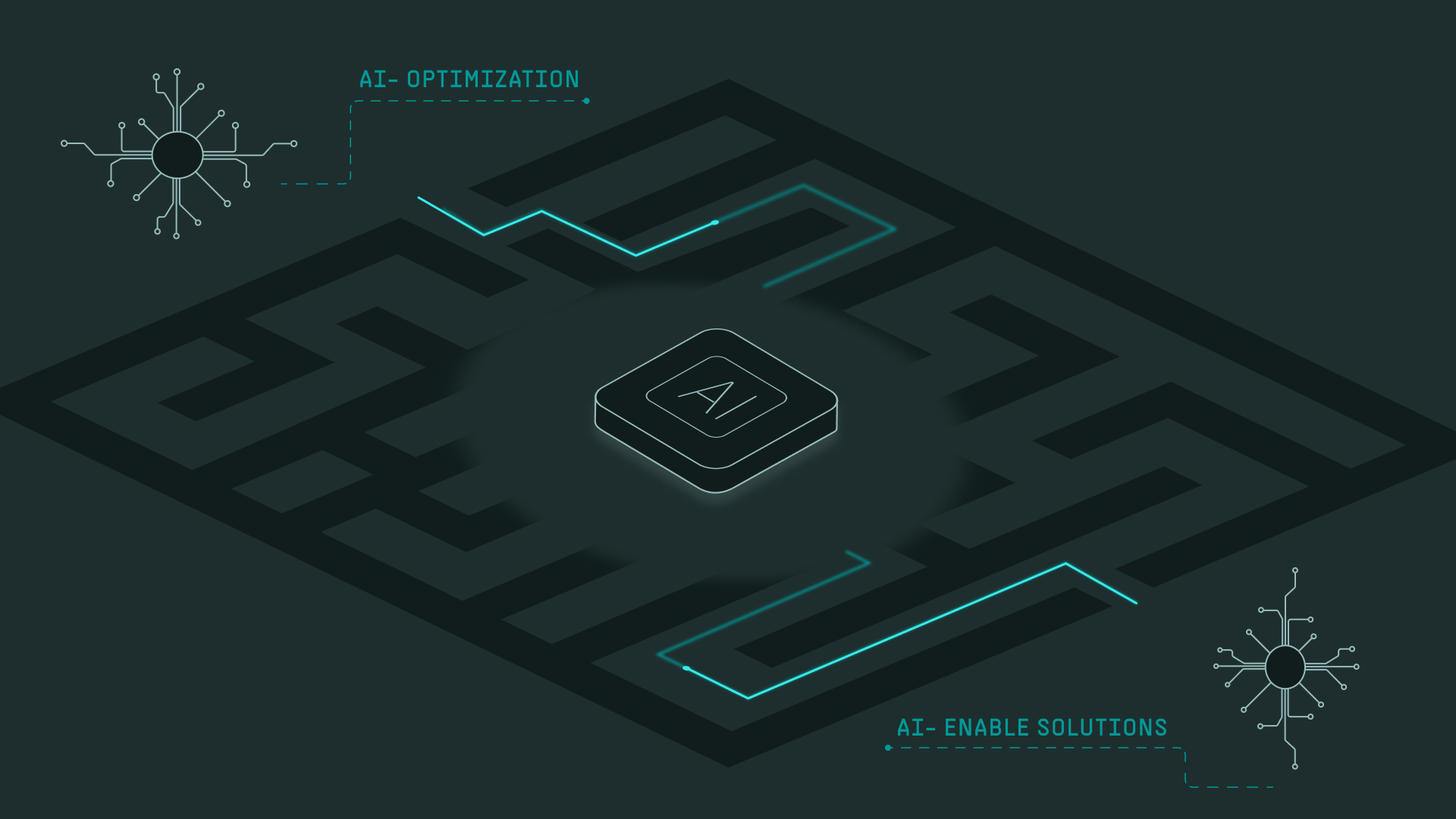
"Difficult" tasks require concentration, complex pattern recognition, and specialized domain knowledge. Predicting schedule impacts, evaluating clash trends, or resolving field discrepancies are difficult tasks that require a wide range of technical skills.
AI should not replace human expertise; it should remove barriers. A machine model lacks the practical judgment required to engineer a field fix in real-world conditions. Conversely, a field superintendent should not have to be a software specialist just to document as-built conditions or communicate a fix to design teams.
The Revizto solution
Revizto Site provides an intuitive communication bridge between field crews and VDC managers. A VDC manager preserves full authority to evaluate system clashes, while easily accepting automated schedule updates when a field superintendent logs an installation delay caused by weather.
How the API and MCP server advance this effort
- Democratizing complex intelligence: The MCP Server translates complex, hierarchical BIM metadata into context-rich natural language.
- Empowering non-specialists: A Project Manager or superintendent can ask the model complex questions in plain English ("Show me all open critical clashes affecting the Level 2 concrete pour schedule"), bypassing technical walls so human experts can focus on creative problem-solving.
Expert insights
AI alone doesn't transform construction. People who know how to use it correctly do. You can put the most advanced model on the planet in front of a team, but if they can't interpret it or apply it right, it's just expensive software sitting on a server. A field superintendent's expertise is diagnosing a real-world discrepancy on-site, not learning a new software interface to report it. When natural-language AI removes that technical wall, you're not lowering the bar for expertise, you're finally letting the expertise that's already there reach the data it needs. That's the shift I try to teach my students: don't force the person to adapt to the software. Look for tools that adapt to how the person already thinks.
Dr. Tummalapudi
Author's Note: This post was inspired by presentations and conversations surrounding the Annual Associated Schools of Construction (ASC) AI Symposium. Special thanks to Dr. Manideep Tummalapudi of Fresno State University who contributed their insights on bridging technology and jobsite reality.
Summary of key points
- Adopt the 4 D's mindset: Evaluate AI tools based on their ability to solve dull, dirty, dangerous, and difficult operational problems.
- Automate the dull: Use structured workflows and APIs to eliminate repetitive administrative spreadsheets.
- Clean up the dirty: Guarantee data verifiability and security by choosing sovereign AI architectures where AI comes to your data.
- Illuminate the dangerous: Combine field tools and visual AI to eliminate hazard ignorance on jobsites.
- Simplify the difficult: Remove cognitive friction so field leaders can apply human judgment without needing to be software experts.
Take the next step
- Explore Revizto: Discover how Revizto’s Open Data & AI Layer can transform your project workflows.
- Developer resources: Check out the Revizto API & MCP Server Documentation to start building custom integrations.
- Academic leadership:
- To see how smart tech and practical AI are actively transforming modern jobsite safety, explore Dr. Mostafa Namian’s research at East Carolina University to stay ahead of the curve on the future of construction technology.
- To see how data analytics and practical AI are actively transforming modern project management and workforce development, explore Dr. Manideep Tummalapudi’s research at Fresno State to stay ahead of the curve on the future of construction technology.

FAQs
No. Most firms need data fluency, not programming skill. The people who already understand how project data is structured (BIM/VDC managers, project engineers) are usually better positioned to lead early AI efforts than an outside technical hire who doesn't know the domain. Teach your existing team to curate and verify data well, and the AI tools become far more usable.
The gap between large and small contractors. Large firms can build proprietary tools trained on their own project history and absorb the cost of getting data governance right. Smaller firms often can't, so they either sit out or adopt AI without the data foundation to support it, which is worse than not adopting at all.
The goal isn't to teach students a specific tool, the tools will change before they graduate. It's to teach them how to evaluate an AI output critically: where the data came from, what it might be missing, and when to trust their own field judgment over the system. That skill outlasts any single platform.
Field crews should be treated as a source of ground-truth feedback, not just end users. They're the ones who know when an AI output doesn't match reality on-site. Firms that build a feedback loop from the field back into the system catch bad data and bad assumptions much faster than firms that treat AI adoption as a top-down IT rollout.
Not by whether people are using it, but by whether it's changing decisions for the better. Usage metrics are easy to inflate; what matters is whether the tool is catching errors, saving verified hours, or improving the accuracy of a schedule or estimate. If a firm can't point to a concrete outcome it changed, the tool hasn't proven itself yet.