The $94 trillion question: why infrastructure investment doesn't guarantee delivery
See how Revizto fits your workflow
Infrastructure investment has never been higher, yet delivery still falls short — not from lack of budget or ambition, but because information doesn't flow between the people responsible for getting projects done. Revizto's new report, drawn from interviews with leaders at Heathrow, Lower Thames Crossing, KiwiRail and more, reveals what's really driving delivery risk.
The money is there. The political will is there. The pipeline of global infrastructure projects is larger than it has been in a generation.
So why do so many infrastructure projects still struggle?
It’s not because of ambition or money (as we see below). Not because of a lack of know-how. But because of something quieter, and harder to fix: the way information moves between the people responsible for delivering these projects. Or doesn't move at all.
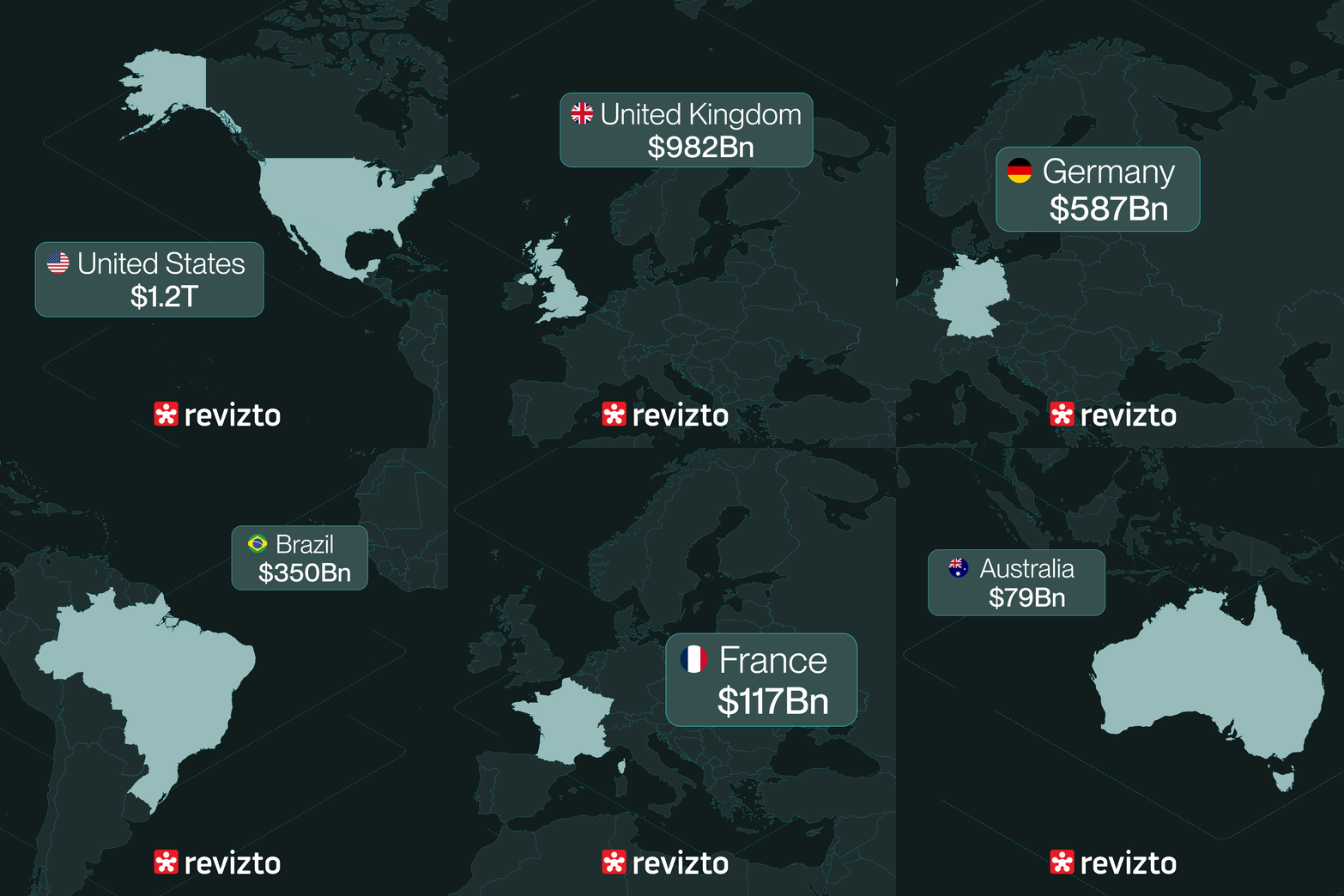
To understand how leading infrastructure organisations are tackling this, Revizto interviewed policymakers, designers, operators and programme leads from some of the world's most complex infrastructure projects — including Heathrow Airport, the Lower Thames Crossing, KiwiRail, and New Terminal One JFK. Their candid perspectives are captured in our new report: Beyond Short-Term Gains: Infrastructure Strategies for Lasting Economic Impact.
The real coordination problem isn't technical. It's structural.
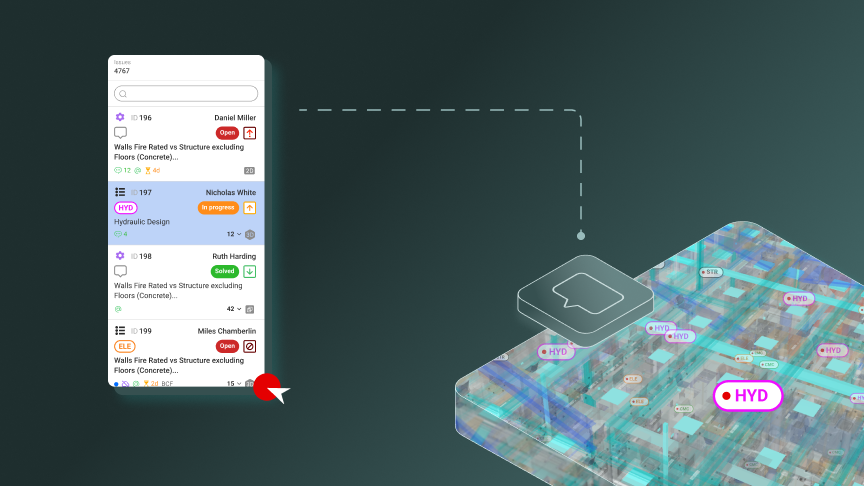
Most programmes already have tools. The problem is that those tools and the data inside them don't connect. Drawings live in document systems. Issues sit in coordination platforms. Field observations arrive by email. When a decision needs to be made quickly, the relevant context is scattered across systems that take time to reconcile.

The result is a pattern that infrastructure leaders across every geography described in almost identical terms: issues surfacing too late, rework consuming contingency, and decisions made without the full picture.
Alex King, Head of Digital & Information Management at SMP Alliance, experienced this firsthand on a programme with an unmovable deadline:
"Isolated silos and miscommunication would have cost the project massively. Revizto gave us clarity and control, helping us pre-empt problems, share information between partners and ultimately avoid rework."
Alex King, Head of Digital & Information Management, SMP Alliance
The fix isn't more governance or more reporting. It's simpler: one environment where models, drawings, issues and decisions exist together — visible to everyone who needs them, at every stage.
What connected coordination actually delivers
On KiwiRail's live rail programme, where work in the corridor had to be completed within tight allocated timeframes, that shared environment was the difference between confidence and risk:
"Using Revizto as our collaboration environment enables us to substantially reduce risks and errors during construction. With Revizto, everything went according to plan."
Derek Jannings, Program Manager, KiwiRail
For AECOM's Matt Quigley, the value was measured in resources — not just risk:
"Put simply, I won't work on a major project that isn't using Revizto as its design coordination platform. The scheduled federation process alone has saved the project 1-2 full-time resources."
Matt Quigley, AECOM
The pattern is consistent: when coordination is connected, decisions happen faster, issues are caught earlier, and the programme moves with greater certainty.
What the report gets into, and what might surprise you
Beyond Short-Term Gains isn't another best-practice guide. It's a candid look at what actually shapes infrastructure delivery, told by the people living it.
The leaders we interviewed were largely aligned on what causes programmes to struggle, but their answers weren't the ones most commonly cited. Budget and technical complexity came up less than you'd expect. What kept surfacing was something more structural. Some of what they shared is uncomfortable and some of it is genuinely optimistic. Here's a preview.
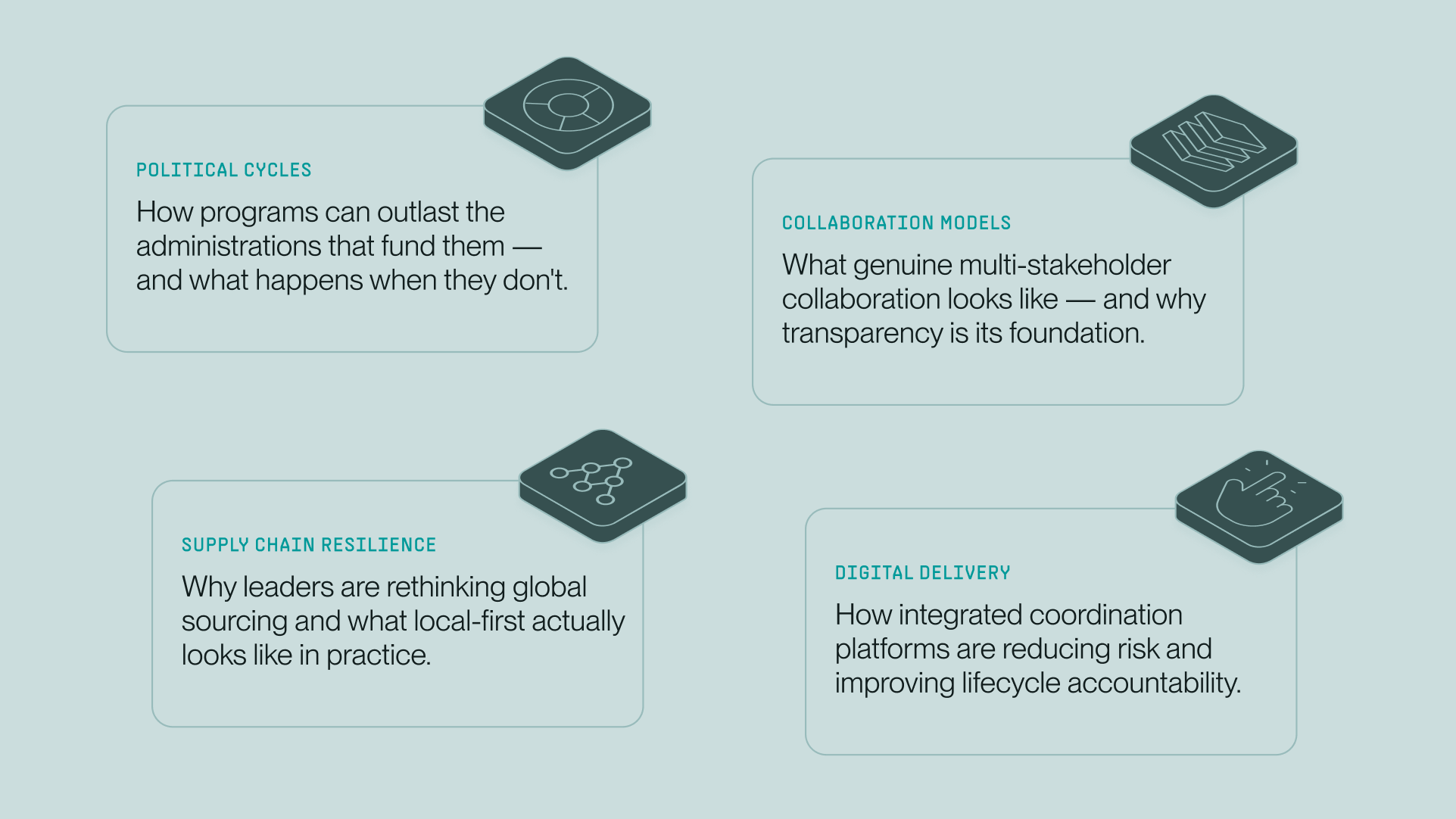
There are also genuine reasons for optimism. Leaders across geographies described emerging approaches to collaboration, supply chain resilience, and digital delivery that are changing what's possible at scale.
It's worth reading before your next project review.
The report is free. The insights are invaluable.
Most infrastructure guidance covers what should happen. This report is about what actually does, told by the people navigating it.