.svg)
AECOM connects 355 users across 12 active rail projects with Revizto
Project overview
AECOM is a global infrastructure and engineering firm operating across water, transportation, and environmental engineering markets. Ranked the top design firm for mass transit, water, and transportation by Engineering News-Record, the company employs 51,000 technical experts worldwide.
Coordinating ADA upgrades on a century-old rail network
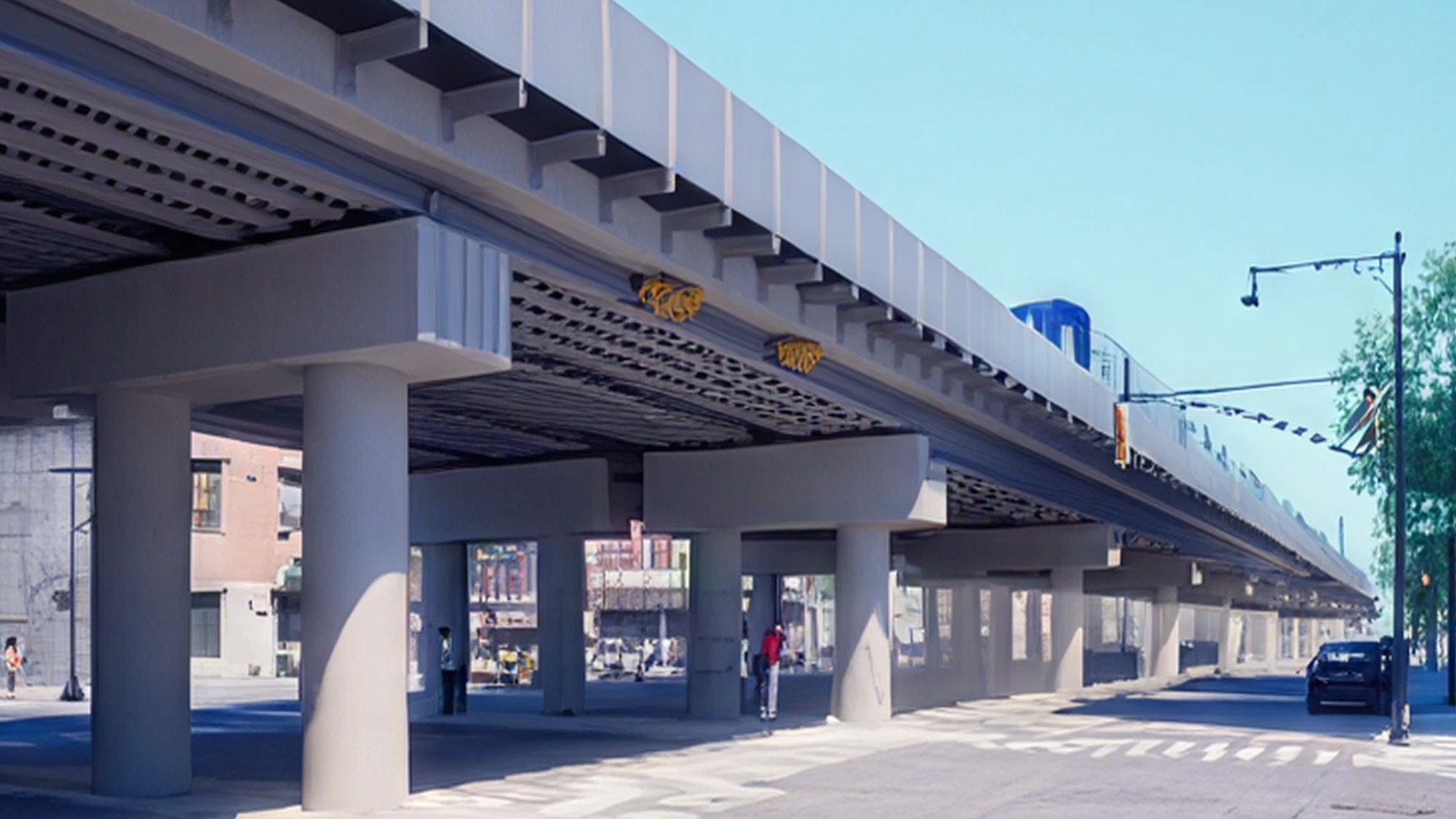
AECOM's New York Metro Transit Rail Business Line delivers design-build projects across one of the oldest and busiest transit networks in the world, including work like the World Trade Center Transit Hub and the Penn Station Access. Much of this work centers on bringing stations into compliance with the Americans with Disabilities Act of 1990, replacing platforms, elevators, and stairs at stations that in some cases have stood for more than a century. These upgrades happen while trains keep running and the public keeps moving through the same stations, so every design decision has to account for live operational constraints as well as decades-old, often undocumented infrastructure.
Each project draws in a large, multidisciplinary team, spanning architecture, structural, civil, track, geotech, MEP, and communications, working to an aggressive design-build schedule set by transit agency clients. Reconciling clearance envelopes, platform slopes, and step-gap requirements across so many disciplines, on infrastructure with very little tolerance for error, meant AECOM needed one place where every team could see the same model, the same site conditions, and the same open issues.
Using Revizto to connect track data, design, and compliance
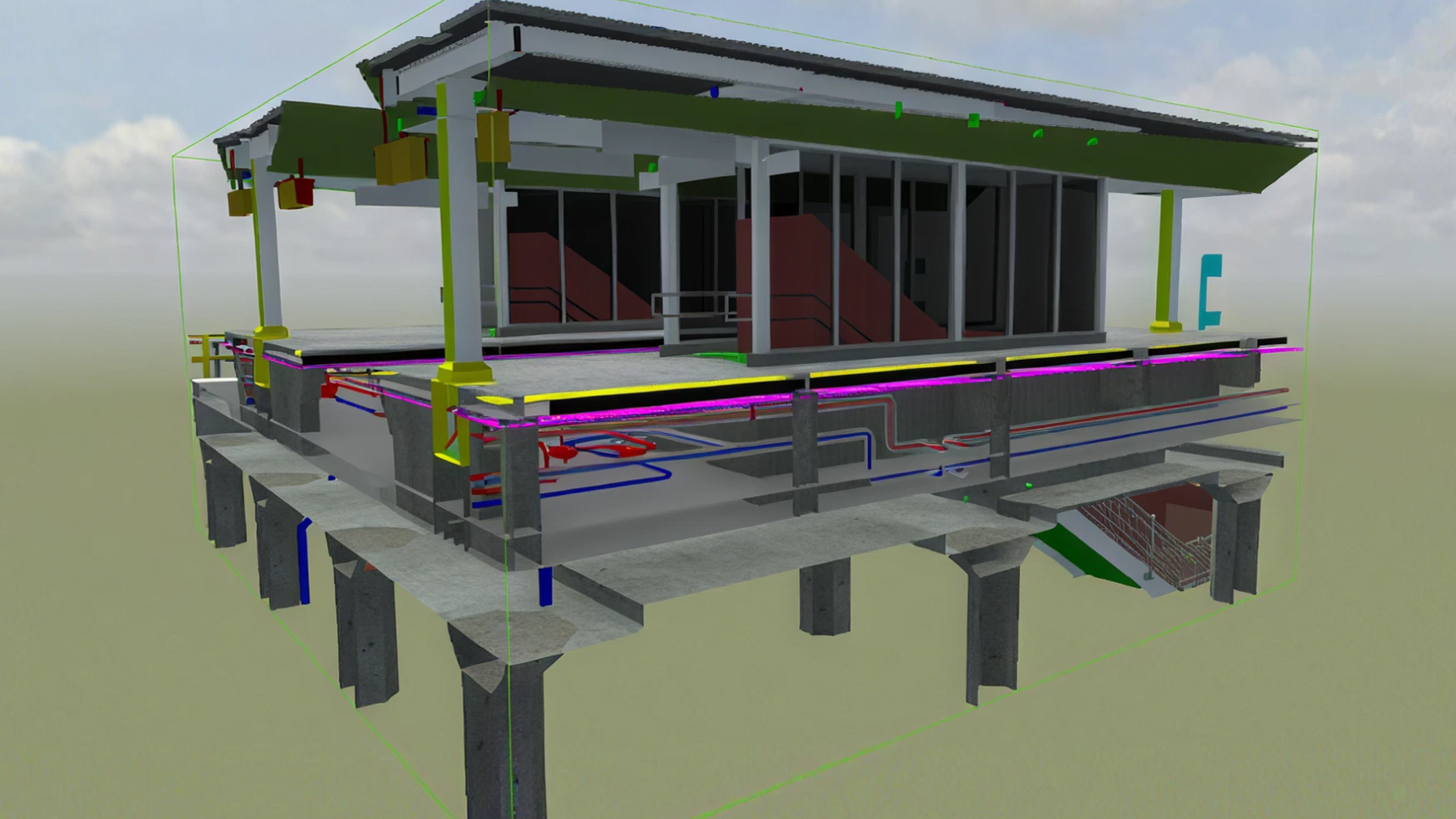
AECOM's teams start every project with ground survey and LiDAR scans, brought into Revizto's Unified 2D/3D Environment to check design models against as-built conditions before coordination begins. From there, architecture, structural, civil, track, and MEP disciplines review a federated model together, using Collaborative Clash Automation to catch clearance conflicts as they design rather than after construction starts.
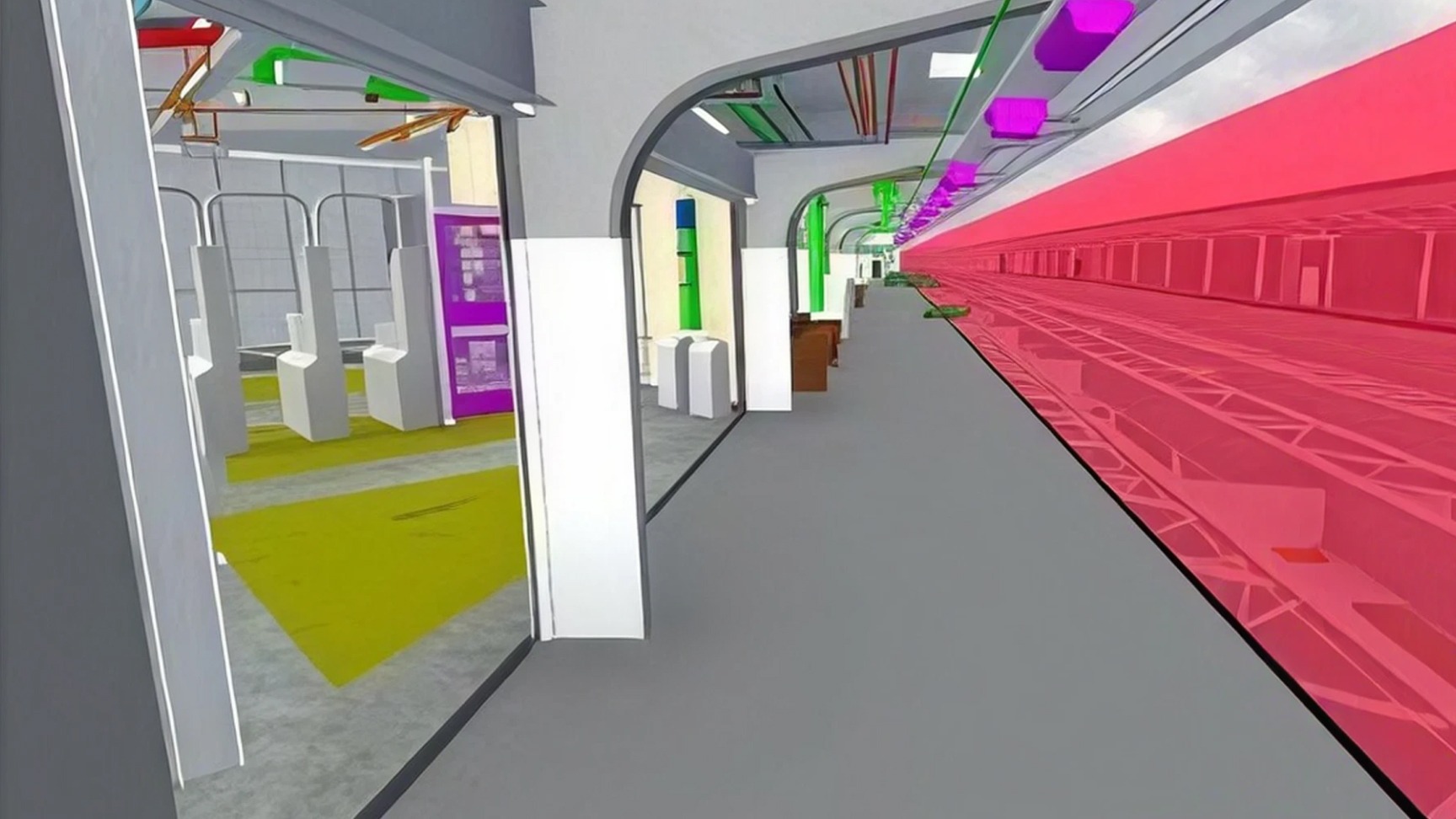
On ADA platform upgrades, AECOM uses Revizto's infrastructure tools to track best-fit alignments and navigate stations by exact stationing, so the design team can see train clearance envelopes, platform edges, and step-gap requirements in context. A rule-based API automatically creates an issue whenever a clash touches a clearance envelope, with a stamp and design team assigned so problems get resolved early instead of late.
AECOM has used Revizto since 2022, and adoption has scaled to 12 projects, more than 1,200 models, and 355 active users, a number still growing. The result is a connected workflow, from reality capture through coordination, compliance checks, and issue tracking.
"The graphic quality that Revizto provides is very, very helpful. There's no other platform I've seen, in my experience, that can handle viewing a model in the way that Revizto does"
Ashley Ramdeo, BIM Specialist, AECOM
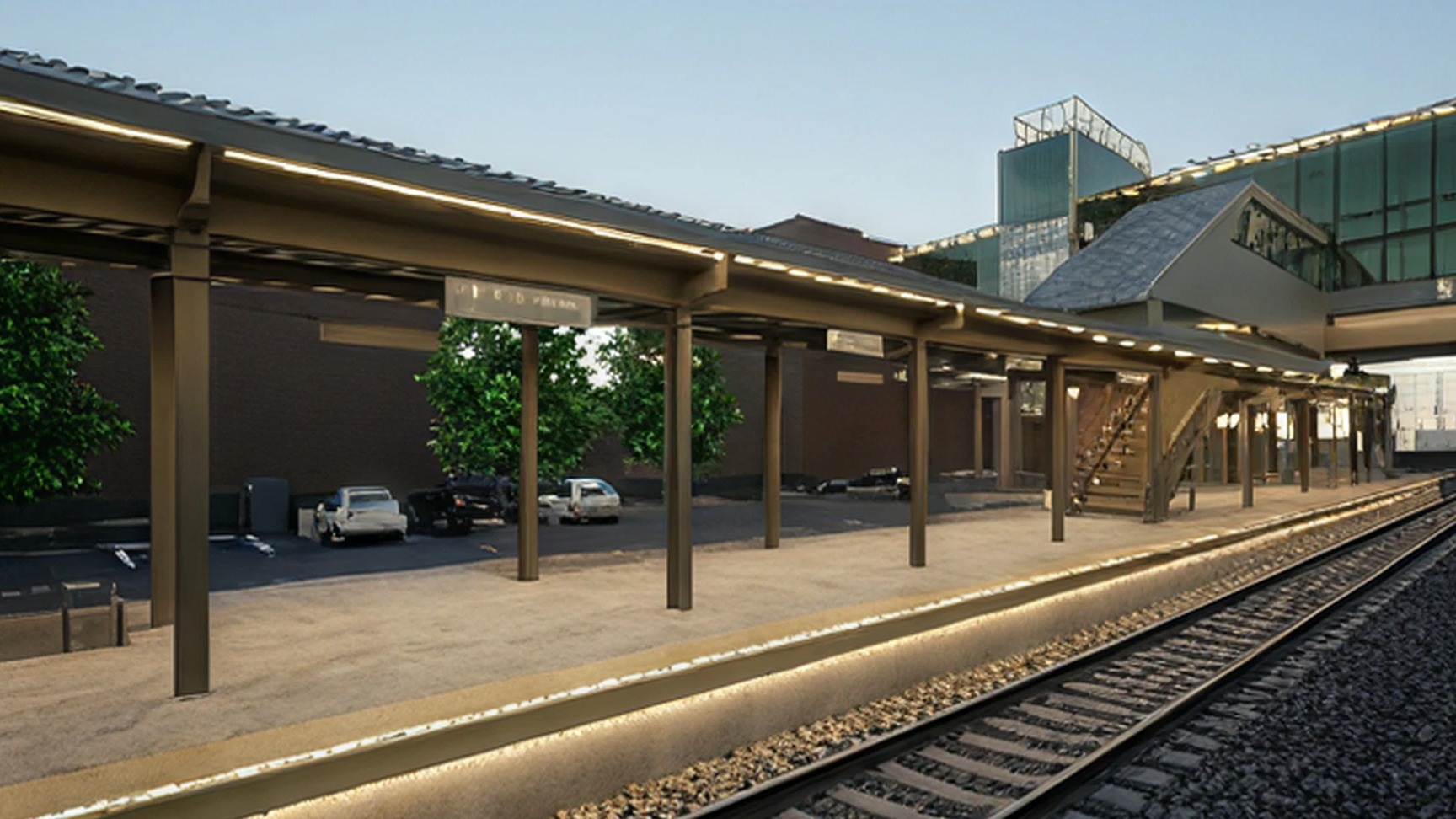
Bringing track best-fit alignments into 3D coordination
Before Revizto's infrastructure tools, importing a track team's best-fit alignment into the coordination model was a challenge, and once it was in, navigating a long station corridor to find a specific point was still difficult. With alignment and stationing now integrated directly into Revizto, AECOM's design teams use Location Data to jump straight to any stationing interval, such as the point near an ADA boarding area, and check the proposed design against the train clearance envelope in 3D. Any clash on that alignment carries its stationing with it, so design and clash review teams can find and resolve issues without hunting through the model.
"Revizto is such a robust tool that allows us to integrate just about every data format that we need to work with on these projects — be it BIM data, CAD data, 2D PDF data, or point cloud data"
Joseph Mejia, BIM/Design Manager, AECOM
Challenges and solutions
Grounding every model in verified site conditions
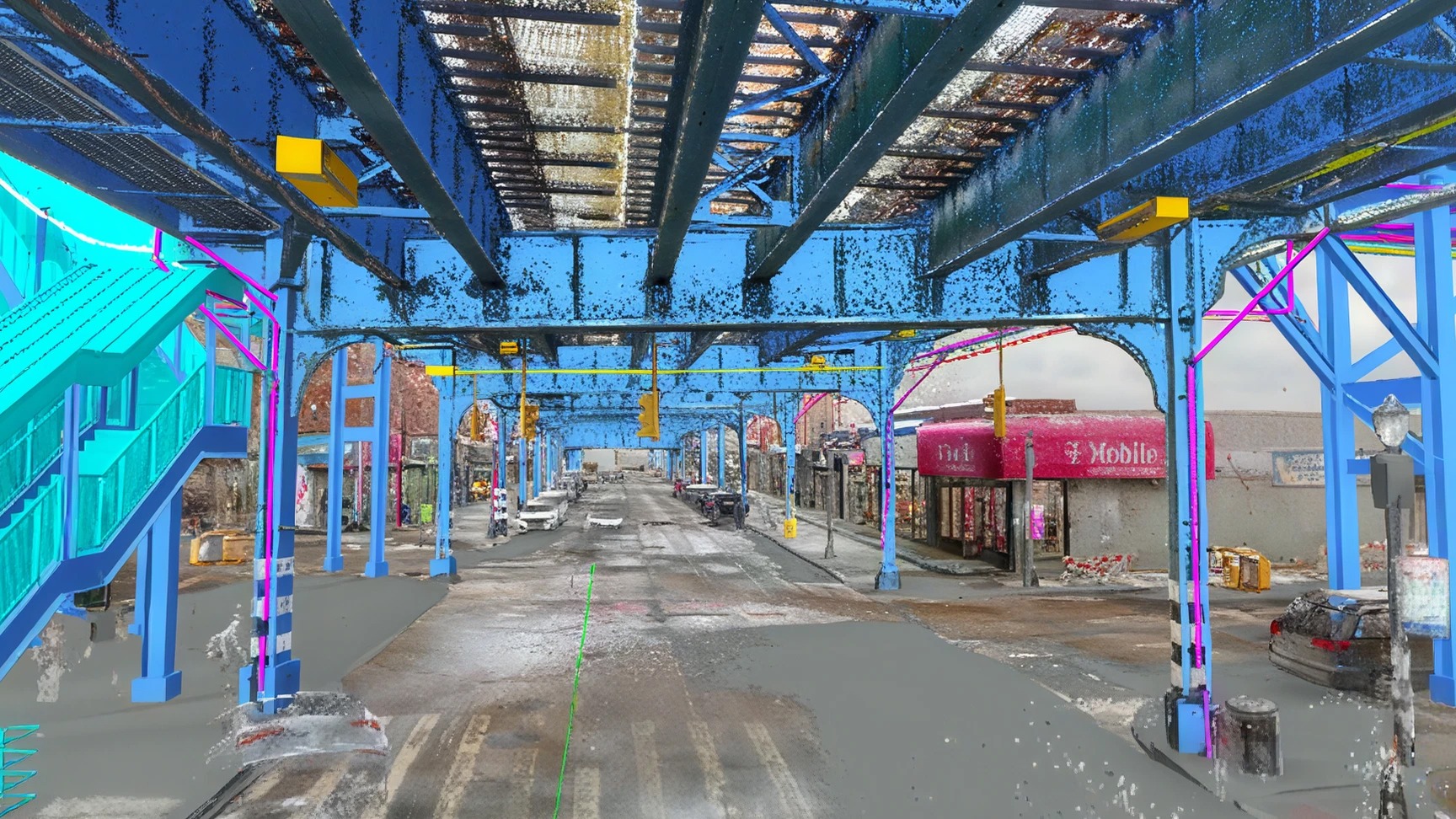
AECOM treats existing conditions as the foundation for every rail project. Ground survey establishes the reference frame, then LiDAR point clouds are registered against it and checked before any design coordination begins. Point Cloud Integration in Revizto lets teams see this captured reality directly alongside design models, so structural steel, track, and architectural elements can be verified against what is actually on site rather than outdated record drawings. Starting from verified conditions has become AECOM's first line of defense against downstream errors, reducing the compliance and coordination risk that comes with retrofitting stations that are, in some cases, over a century old.
How Revizto Collaboration Hub enabled success
Unified 2D/3D Environment: Combined Revit, Bentley, Civil 3D, and point cloud data in one place so 12 projects and 1,200+ models stayed coordinated.
Collaborative Clash Automation: Detected clashes against train clearance envelopes automatically and triggered issue creation through a rule-based API.
Integrated Issue Management: Assigned stamps and design teams to every clash-generated issue so resolution stayed tracked and visible.
Connected Project Intelligence: Gave leadership visibility into adoption and issue trends across 355 active users on the NY Metro Transit-Rail account.
FAQs
It combines 2D drawings, 3D models, and other data formats into one interactive workspace, so every team sees the same site conditions and model instead of working from disconnected files. For AECOM, this meant bringing ground survey and LiDAR scans together with Revit, Bentley, and Civil 3D data across 12 rail projects and over 1,200 models, keeping architecture, structural, civil, track, and MEP disciplines coordinated on a single federated model.
Rather than relying on teams to manually spot conflicts, it automatically detects clashes as disciplines design, so issues surface during coordination rather than after construction starts. On AECOM's ADA platform upgrades, this meant clearance conflicts between the design and train clearance envelopes were caught automatically, and a rule-based API created an issue with a stamp and design team assigned as soon as a clash touched a clearance envelope.
It lets teams overlay 2D drawings and point clouds directly onto 3D models, so decisions are checked against captured reality rather than outdated record drawings. AECOM used this to register LiDAR scans against ground survey as the reference frame for every rail project, since many of the stations it works on predate reliable documentation by decades.
Location Data ties every issue to a precise position, calculated from things like grid, level, or configurable zones, so teams can jump straight to a specific point rather than searching through a long model. For AECOM, this meant design teams could navigate directly to exact track stationing, such as a point near an ADA boarding area, and any resulting clash carried its stationing with it so issues could be found and resolved without hunting through the model.
Stamps create issues with pre-filled metadata and an assigned team, giving every problem a clear owner and status rather than leaving it to informal tracking. On AECOM's account, every clash-generated issue was automatically assigned a stamp and a design team, keeping resolution tracked and visible across a program with 355 active users.
It gives teams and leadership shared, real-time visibility into project and issue trends through dashboards and connected data, rather than relying on siloed reports from each project. For AECOM, this meant leadership could track adoption and issue trends across all 12 active rail projects and 355 users from one place.