Why every country needs a digital action plan for construction
See how Revizto fits your workflow
Rhys Lewis, Director of EMEA at Revizto and co-chair of the Wales Digital Steering Group, argues that the value of a national digital action plan isn't the plan itself — it's the shared direction and practical tools that come after it.
Digital transformation is easy to talk about and much harder to organize across an entire ecosystem.
That is what makes the work happening in Wales interesting to me. For more than a decade myself and champions from across Wales’ Built Environment, Constructing Excellence in Wales and the Welsh Government have been working towards a clearer, shared direction for digital transformation in AEC.
That work led to the launch of the Built Environment Mission Statement and Digital Action Plan for Construction at the Senedd, the Welsh Parliament. I was incredibly proud to contribute to it.
This idea matters well beyond Wales. Every country has a built environment made up of organizations – both public and private – moving at different speeds, using different technology and facing different barriers.
A digital action plan can't solve all of that. But what it can do is give the industry a common direction and a clearer sense of what real progress looks like.
A plan is only useful if people can act on it
The phrase digital transformation covers almost everything now: BIM, information management, reality capture, automation, connected data, AI and plenty more.
The challenge is that an industry does not transform simply because more technology becomes available.
Construction remains one of the least digitized major sectors, yet the demand on it keeps growing: more housing, more infrastructure, more retrofit, and less time and resource than the sector has to deliver it. That is exactly why the promise of digital transformation matters here more than most industries. It isn't about adoption for its own sake. It's about genuinely more efficient delivery, for a sector that can't afford not to be.
The more useful question is whether businesses can use digital approaches to work better, make better decisions and collaborate more effectively. That is where the work in Wales is moving now.
Through the Wales Digital Steering Group, we're building the layer beneath the Action Plan: the Digital Toolkit, user personas, a resource library, Welsh case studies and a Digital Profile designed to help organizations see where digital frameworks could really help them.
A national strategy can set direction, but businesses still need to know what their next step looks like.
There is no single digital journey
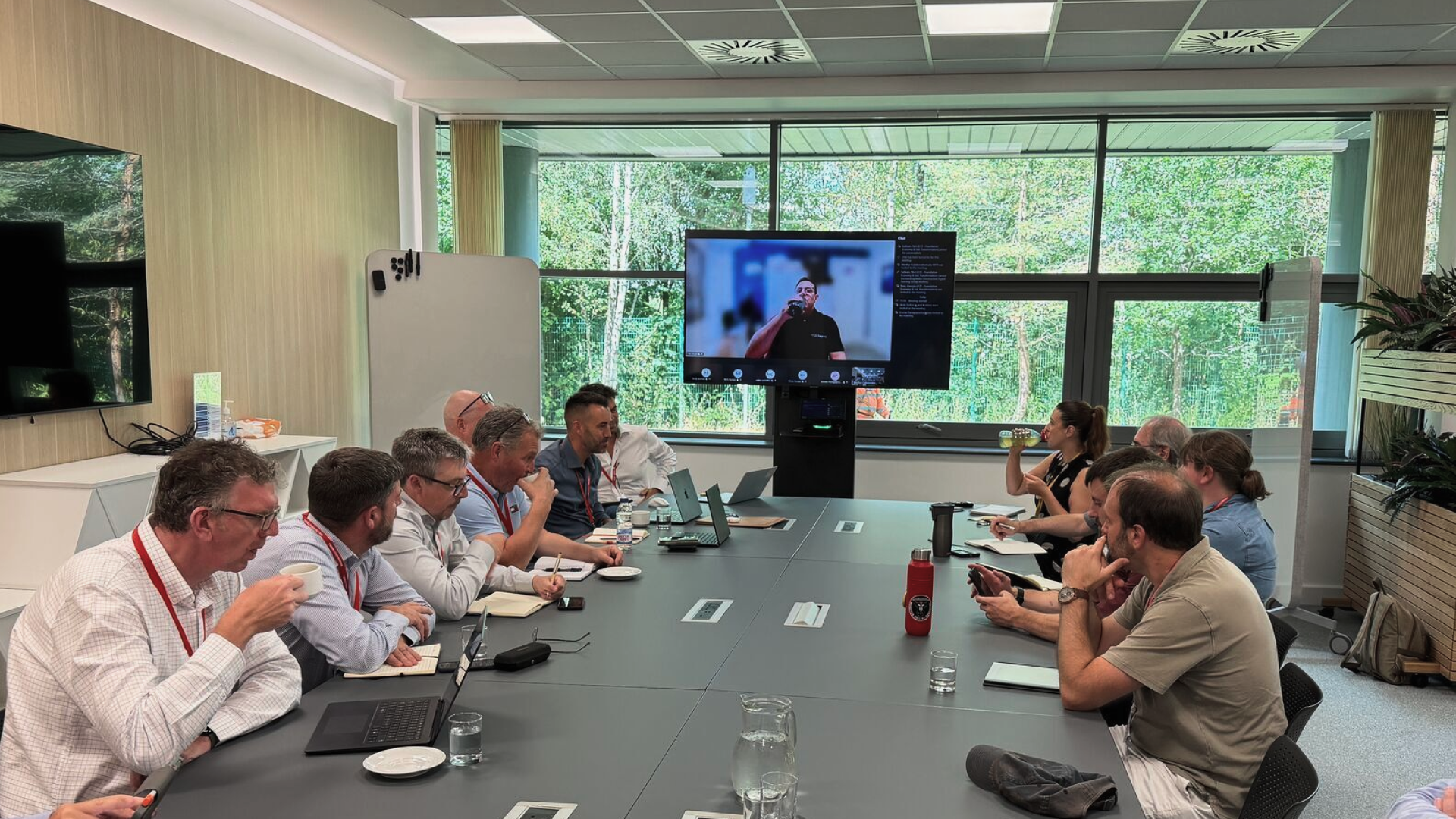
One of the most useful discussions we have had is around the diversity of the construction sector itself.
A major infrastructure contractor, a small specialist business, an architect, an engineer and an asset owner can all be described as part of the built environment, but their needs are completely different. That makes the idea of one universal digital maturity ladder difficult. This was a core talking topic during our latest steering group meeting.
A business can be highly advanced in one area and relatively simple in another and that may be exactly right for the work it does.
That is why we have been currently exploring the idea of a Digital Profile: something that reflects different roles, organizations and project environments rather than assuming everybody is traveling along the same path.
It shifts the conversation from "How digitally mature are you?" to "Where could adoption genuinely help you improve?" I think that's a much better question, and one that applies far beyond Wales.
Multi-stakeholder involvement is a must
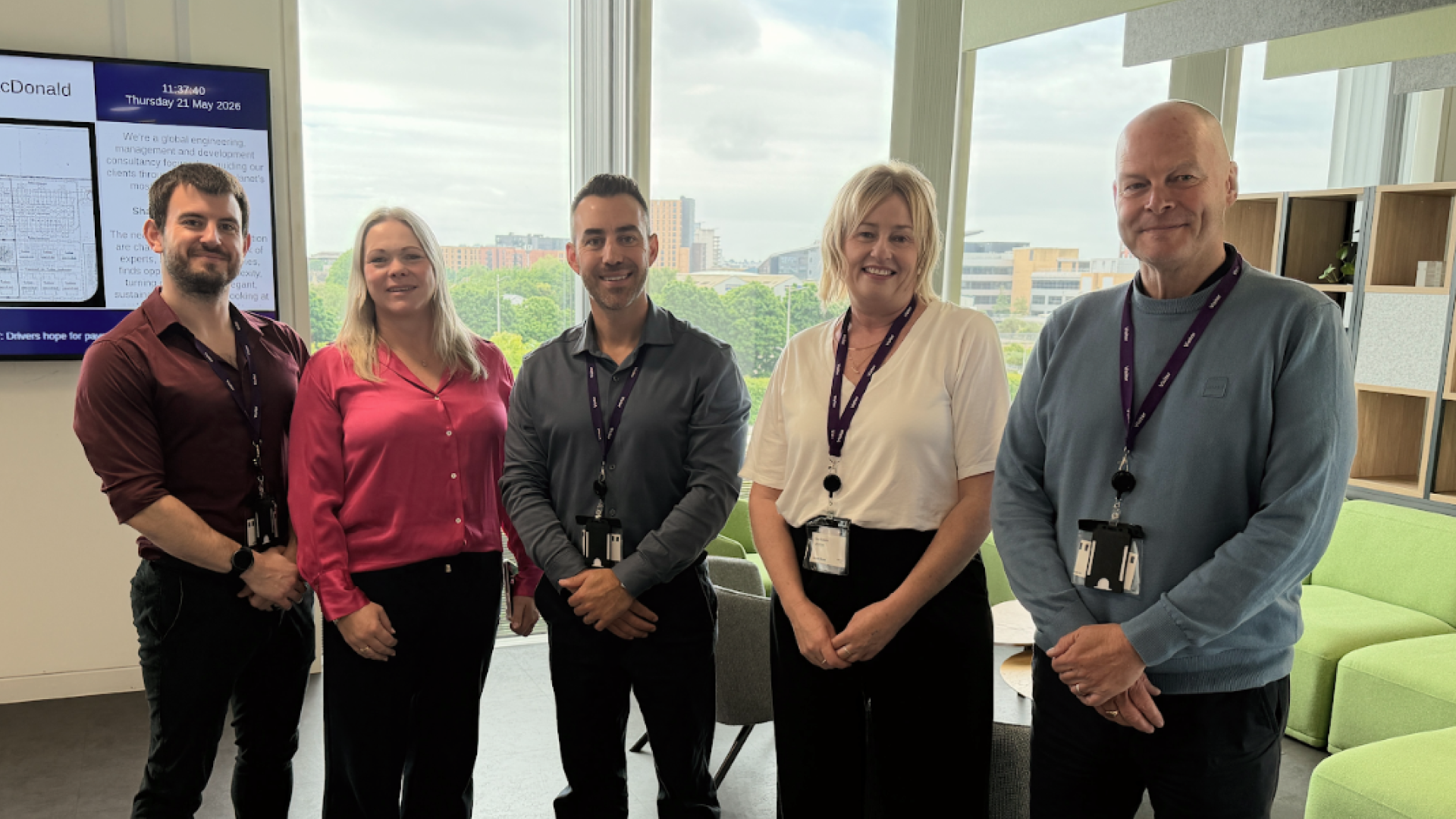
I co-chair the Wales Digital Steering Group alongside Dan Rossiter, working with Constructing Excellence in Wales, the Welsh Government and a wider group of people from across the sector. That mix is critical.
Government, contractors, consultants, owners, industry bodies and technology providers all see different parts of the problem. If a national digital program is going to be useful, those perspectives need to all be considered together.
The same collaboration was visible when the Mission Statement and Digital Action Plan launched at the Senedd, with Cat Griffith-Williams, then CEO of CEW, and Rebecca Evans, then Cabinet Secretary for Economy, Energy and Planning, helping bring the work into the wider Welsh built environment agenda.
It is also important to remember that none of this started recently. People in Wales have been pushing this agenda for more than a decade, and the Action Plan itself followed years of collective work across the industry originally led by myself, Dan and a group of passionate experts.
That is another reason I would be cautious about treating any national digital plan as a quick fix. The plan matters, but so does the community, experience and momentum underneath it.
“The digital action plan has been a real catalyst for the Welsh Built Environment sector. Whilst several initiatives have taken place to support national digital transformation, having a Welsh Government Action Plan has enabled us to connect clients, professionals, trades, and government around a united vision for Wales.”
Dan Rossiter FCIAT, Head of Standards, Built Environment @ BSI
Why this matters beyond Wales
I don't think every country needs to copy what Wales is doing — that would rather miss the point. Every market has its own procurement structures, digital capability, industry bodies and challenges, and a useful action plan should reflect those realities rather than import somebody else's model.
But I do believe every country benefits from having a shared direction for its built environment. Without one, digital adoption fragments easily: individual organizations investing in technology, individual projects developing good practice, pockets of expertise growing without ever connecting to each other.
A national action plan brings that best practice and hard-won experience together while still leaving room for organizations to get there their own way. That's where Wales is now — the direction has been set, and the harder, more interesting work is turning it into tools, examples and resources that businesses can actually use.
For me, success will not be measured by whether Wales has the most sophisticated digital strategy on paper. It will be whether more organizations understand what useful digital progress looks like for them and have the confidence to take the next step.
If other countries can create that same sense of direction in a way that reflects their own industries, then I think there is a strong argument for every one of them having a digital action plan of its own.
Mae Cymru Ddigidol yma. Digital Wales is here.
And there is plenty more still to do!

FAQs
The plan sets out a shared direction for digital development across the Welsh built environment and was developed through collaboration between industry, Constructing Excellence in Wales and Welsh Government. It was formally launched at the Senedd following years of collective work by an industry-led digital advisory group.
A traditional maturity ladder ranks every business against the same standard, regardless of their role or size. A Digital Profile instead reflects the different roles, organizations and project environments that make up the construction sector, recognizing that a business can be advanced in one area and simple in another for good reason.