The most sustainable building projects are the ones that avoid rework
See how Revizto fits your workflow
Sustainability in construction is mostly talked about in terms of materials: lower carbon concrete, mass timber, recycled steel. All of that matters. But after 25 years in this industry, the biggest sustainability wins I see on a project rarely come from what we build with. They come from how well we planned before we build at all.
Those gains happen before anyone breaks ground, which is probably why they get so little attention. There is no ribbon to cut for a clash that never happened on site. But the potential to cut waste and carbon, while also saving time and money, is enormous.
Rework is the sustainability cost nobody counts
Overseas research from the US Construction Industry Institute puts rework because of design changes, errors, or poor coordination, at around 5 percent of a project's value with some studies placing it as high as 20 percent. In my career, I have seen other companies' projects sent back to the drawing board mid construction. That is the kind of waste no amount of clever materials selection can offset.
Rework rarely comes from one big mistake. More often it starts small — a design change that was not picked up, information that did not reach the right person, or two teams working from different versions of the same drawing. By the time that becomes visible on site, fixing it can mean pulling work apart, ordering new materials, and sending people back to work.
The fix starts before construction
The solution is better planning, and bringing builders and subcontractors into the design conversation early enough that their experience shapes the design, not just the delivery. Working in silos rarely gets you there. Collaboration does.
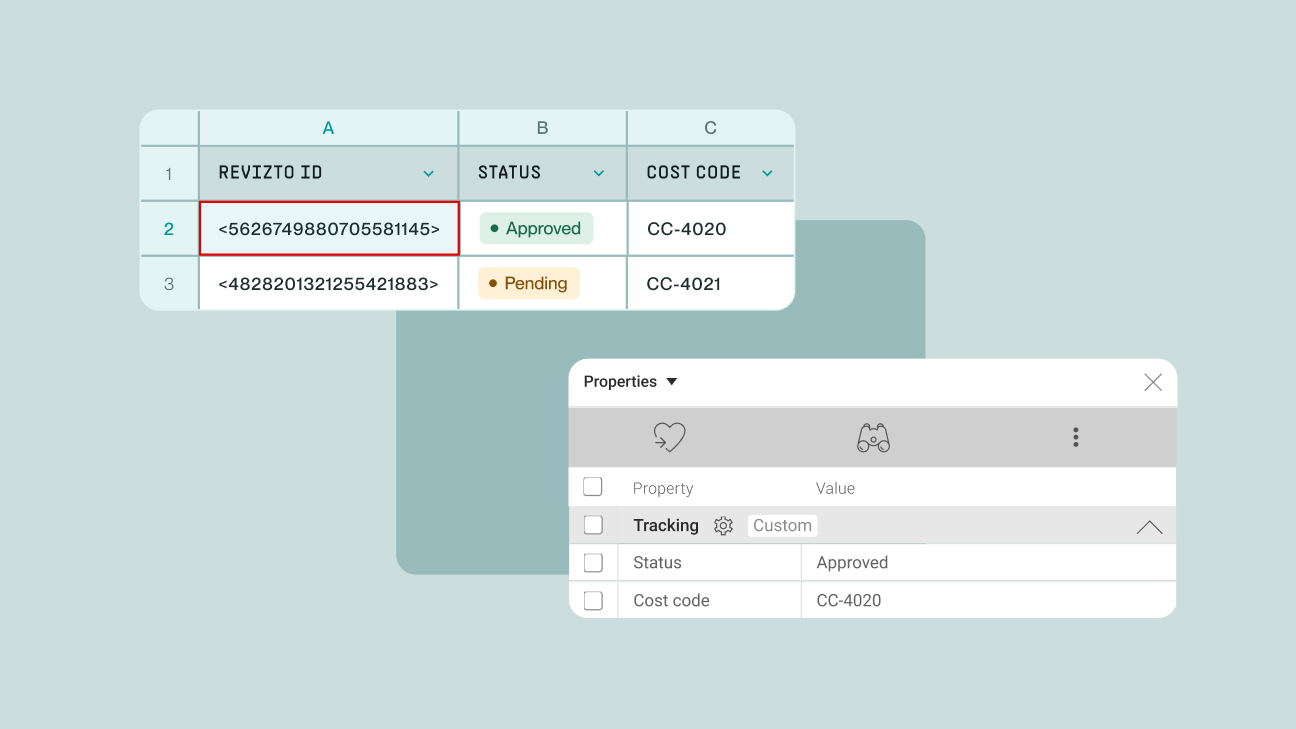
Documentation is where this plays out directly. A late design change communicated informally, in a hallway conversation or a quick email, can easily get lost by the time the next stage of work begins. At Hawkins, we tag every change directly to the shared digital models everyone on the project works from, so nothing falls through the cracks between a sketch and a formal drawing update.
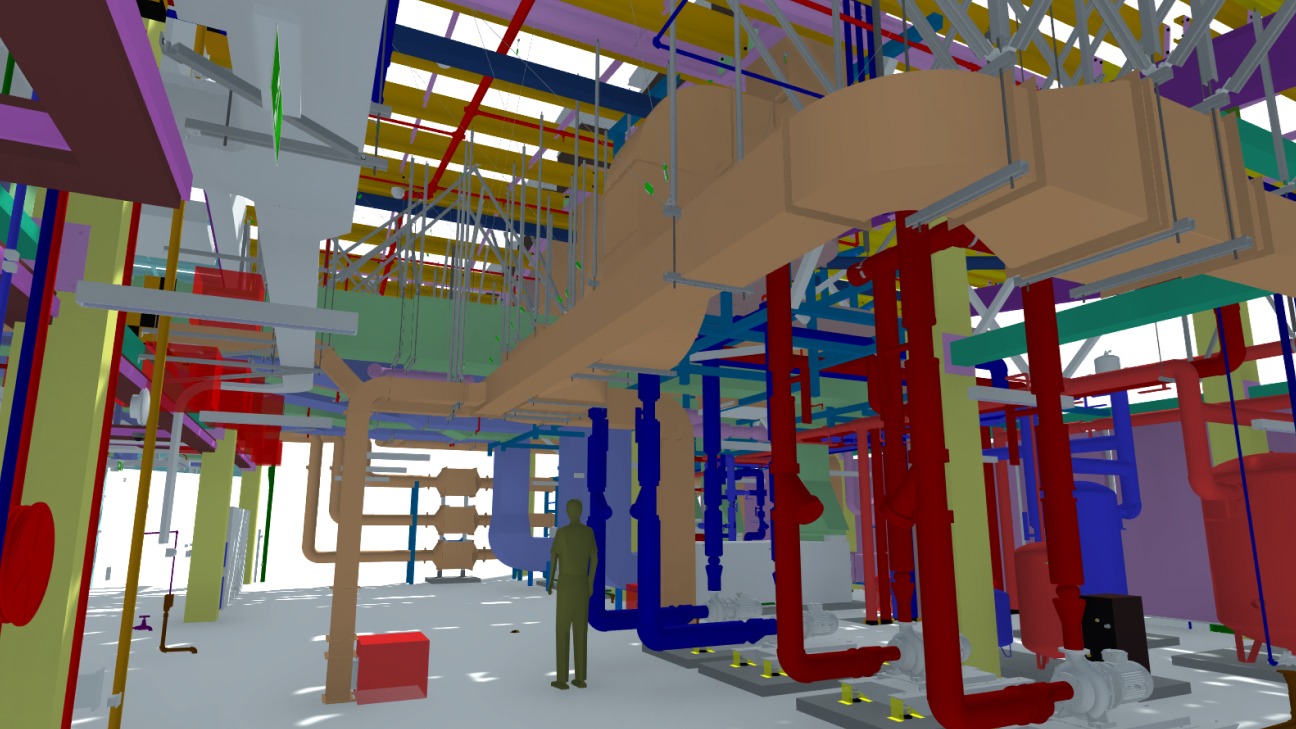
Modern Building Information Modeling platforms make that kind of collaboration far easier to manage. Multiple parties can plan, test solutions, and sequence construction together before a single dollar is committed to site. A 2025 study published in the Ain Shams Engineering Journal modeled the impact of BIM based design coordination on a construction project and found a 15 percent reduction in embodied carbon alongside a 10 percent decrease in cost.
"Cutting digital collaboration tools to trim a tender is a false economy. It just shifts the cost into the asset's operating life instead."
Olivia Pearson, New Business Manager - North, Hawkins
What better planning looks like in numbers
At Hawkins, using Revizto Collaboration Hub is business as usual across every project we run, from commercial towers to airports, universities, and hospitals. Some of our projects generate as many as 12,000 A3 PDF drawings, constantly revised by 400-500 people at once. Managing that digitally instead of in print means field teams are always working from the current version of a drawing, not a superseded copy someone printed weeks earlier.
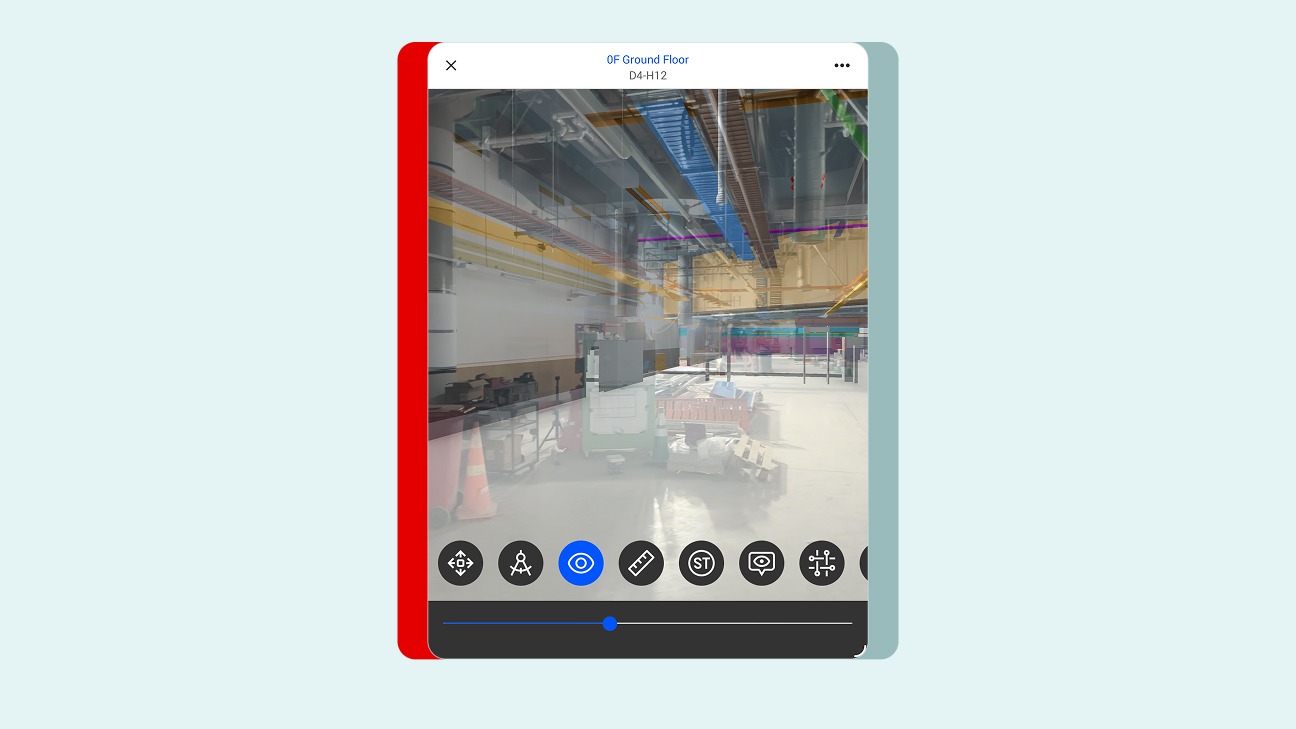
Since the start of June, we have had more than 300 unique users on the platform, and more than 200 of them are from external client companies and subcontractors working alongside our own team. Between them, that is 8,966 interactions. At a conservative five minutes saved per interaction, that works out to 747 hours saved, or roughly 249 hours a month. This is time that goes back into decisions that move a project forward instead of chasing down which drawing is current. There is a sustainability benefit here too: fewer printed drawings, fewer people building off an outdated plan, and less work that has to be pulled apart and redone.
Better materials matter. Lower carbon construction methods matter. But avoiding unnecessary work in the first place matters just as much. The most sustainable project is not necessarily the one with the most impressive materials. Sometimes it is the one where we planned well enough that we did not have to build something twice.

FAQs
Revizto gives project teams a shared environment to coordinate designs, test solutions, and identify potential problems before construction begins. A 2025 study published in the Ain Shams Engineering Journal found that BIM based design coordination reduced embodied carbon by 15 percent and cost by 10 percent on a modeled construction project.
In procurement environments that place a strong focus on the lowest up-front price, digital tools can sometimes be treated as an additional project cost. The argument for keeping them is that the cost of poor coordination does not disappear. It can instead show up later through rework, delays, construction issues, and maintenance problems.